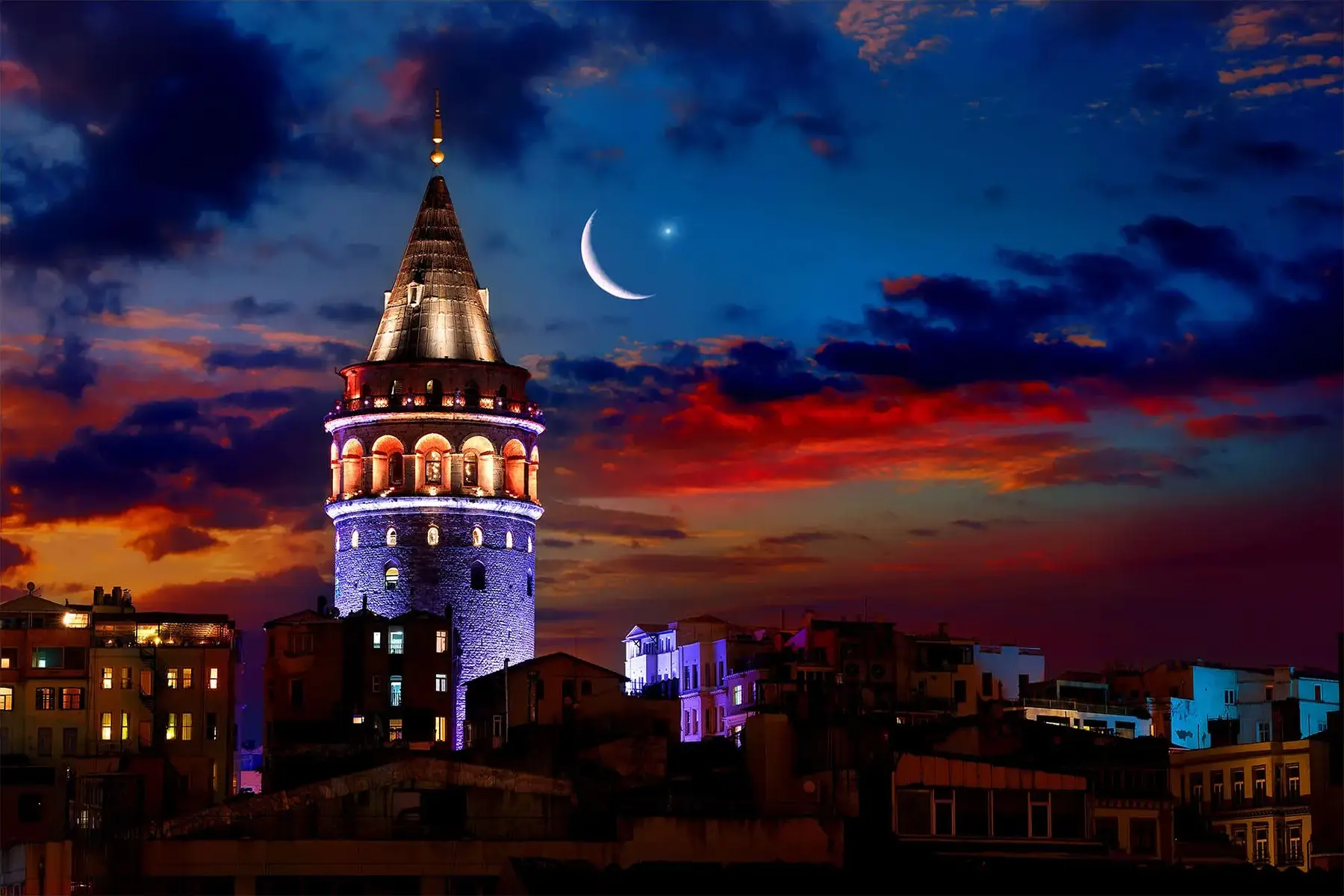
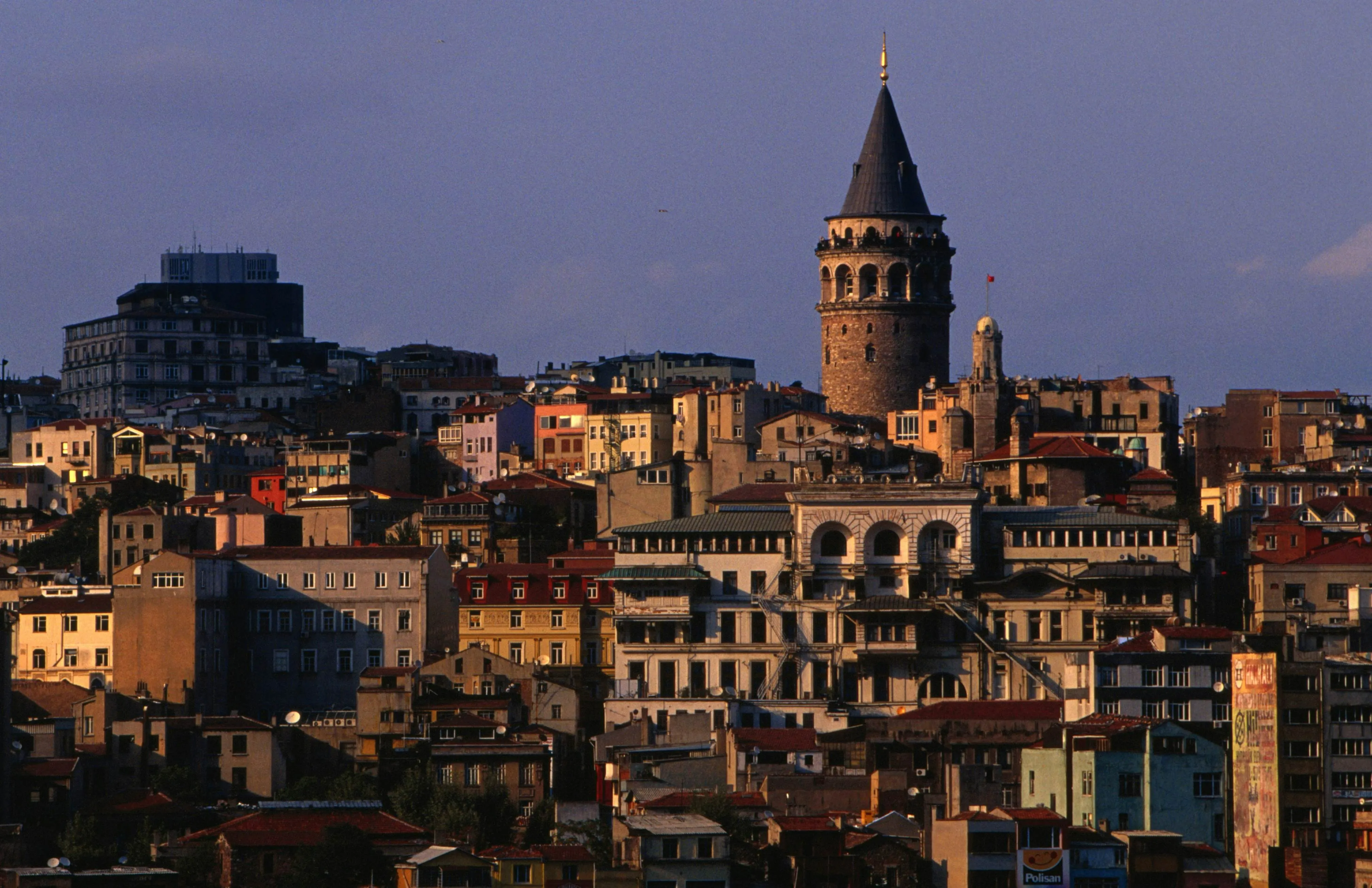
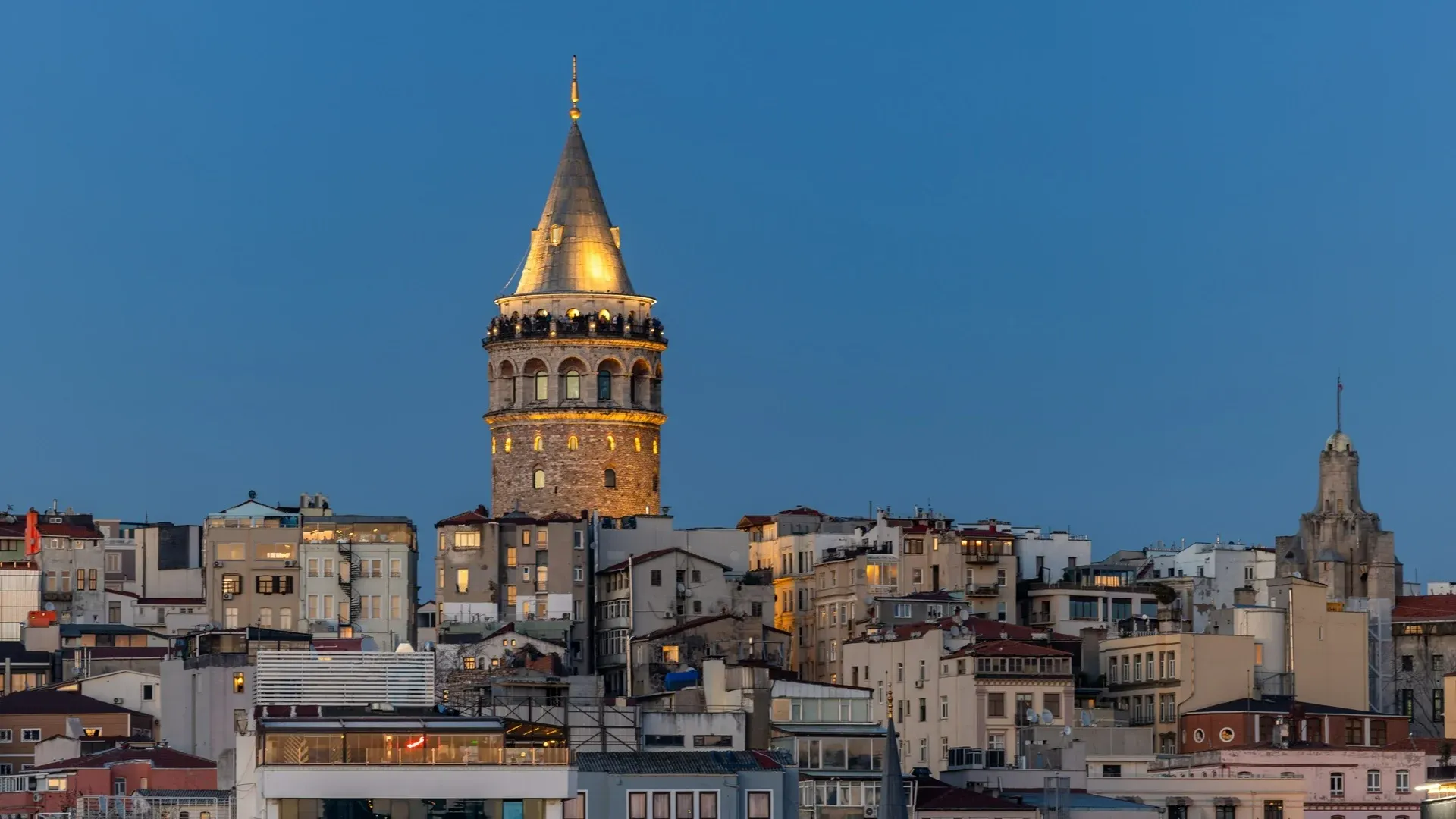
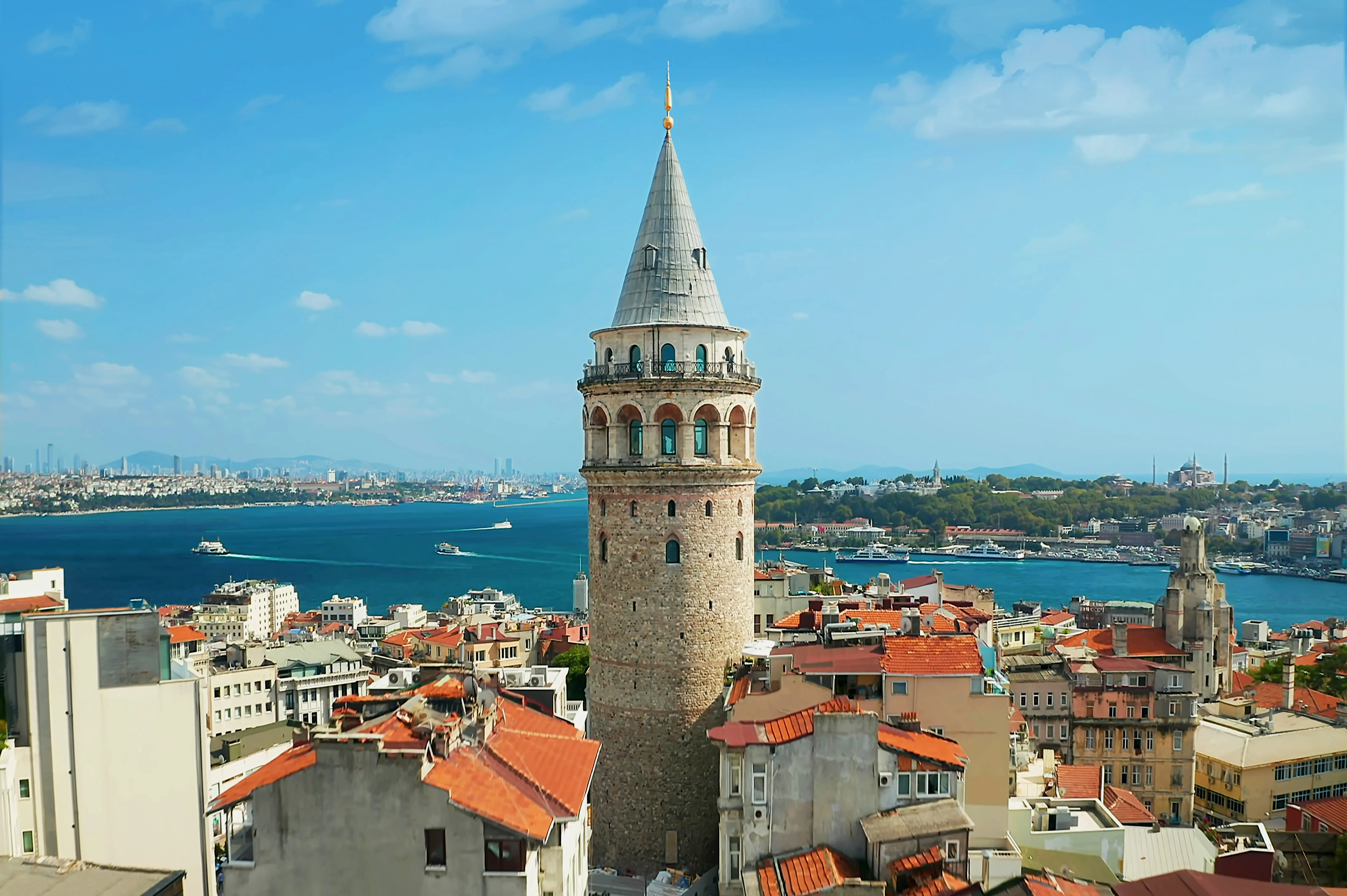
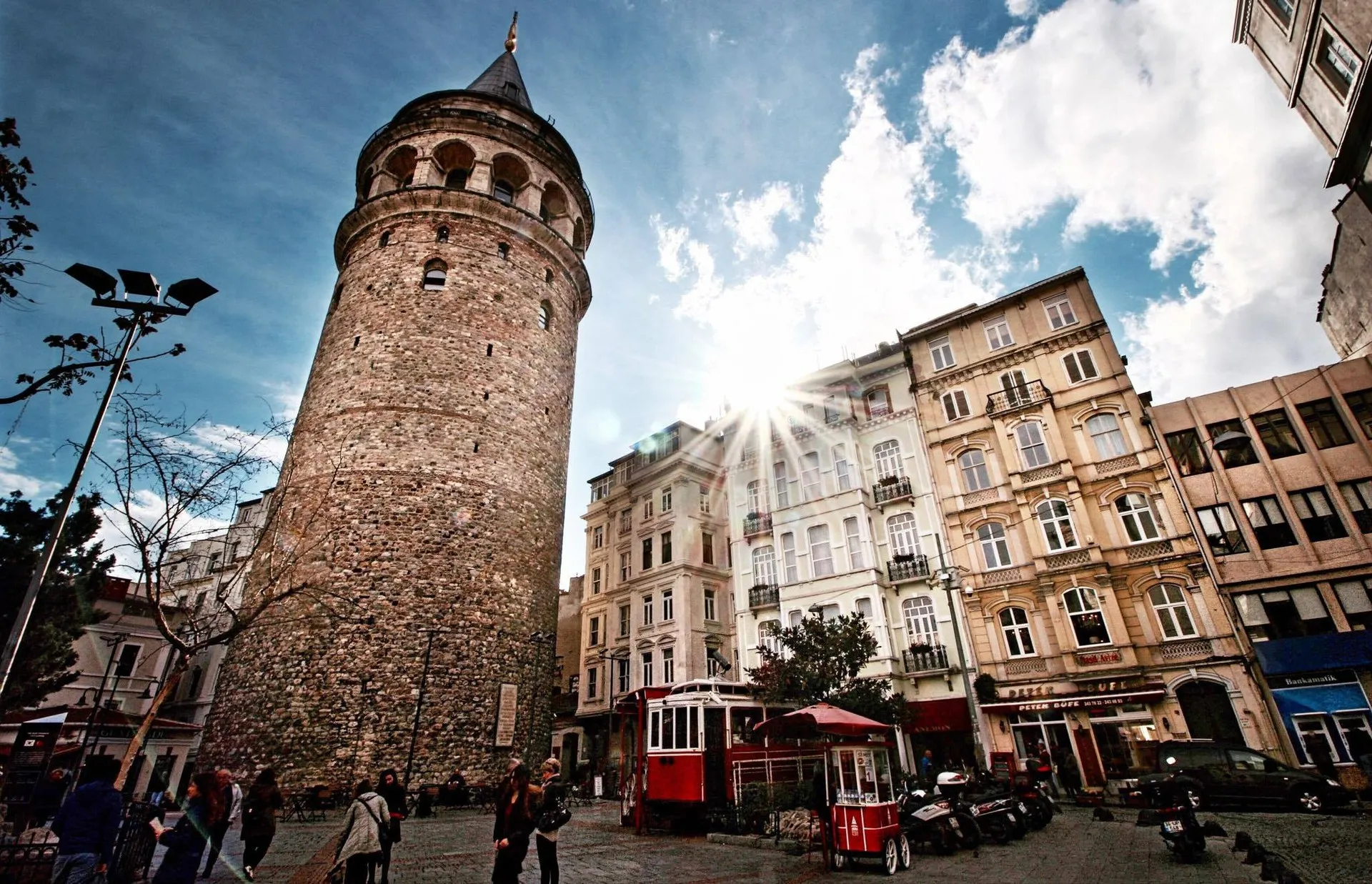
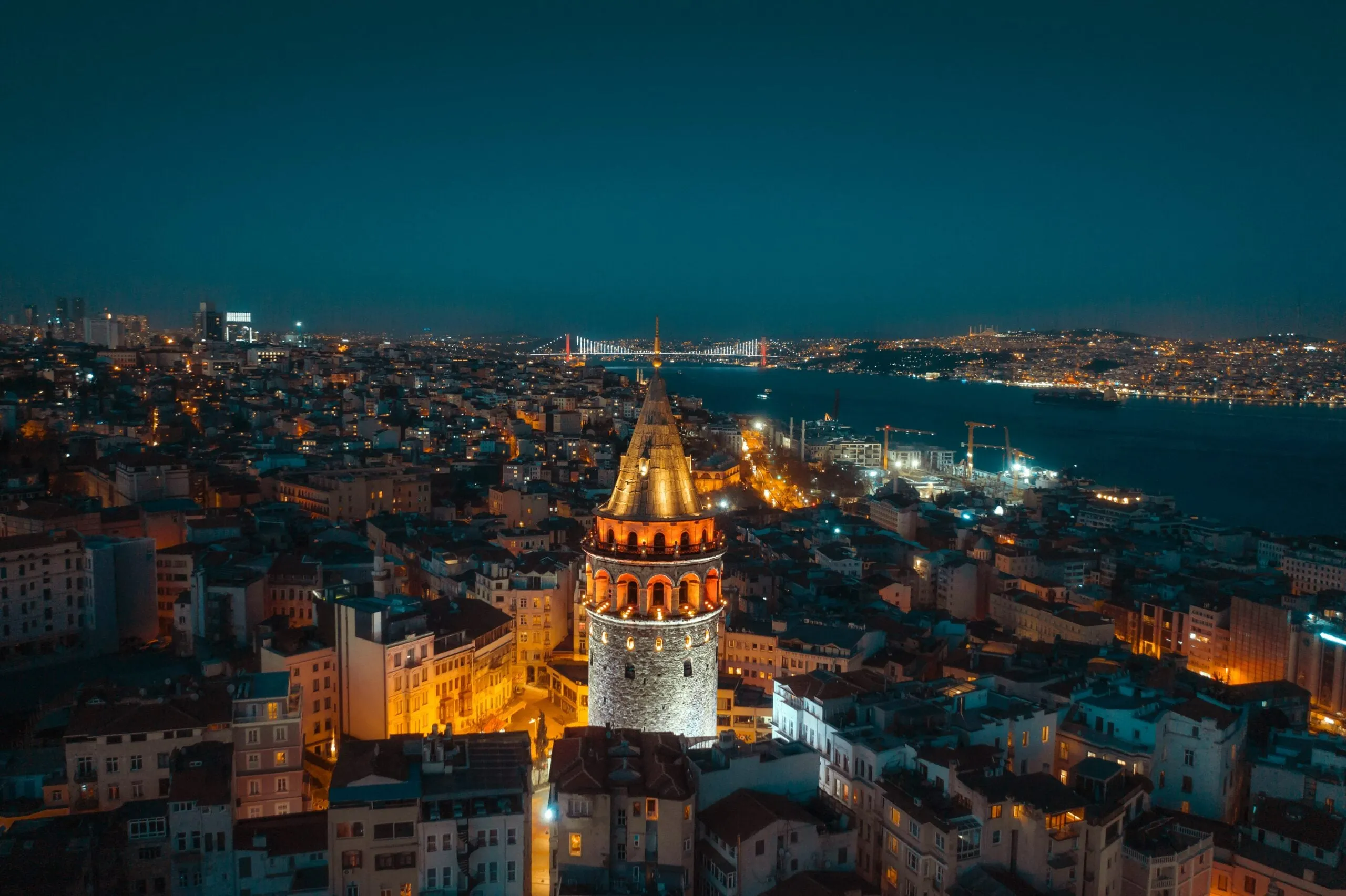
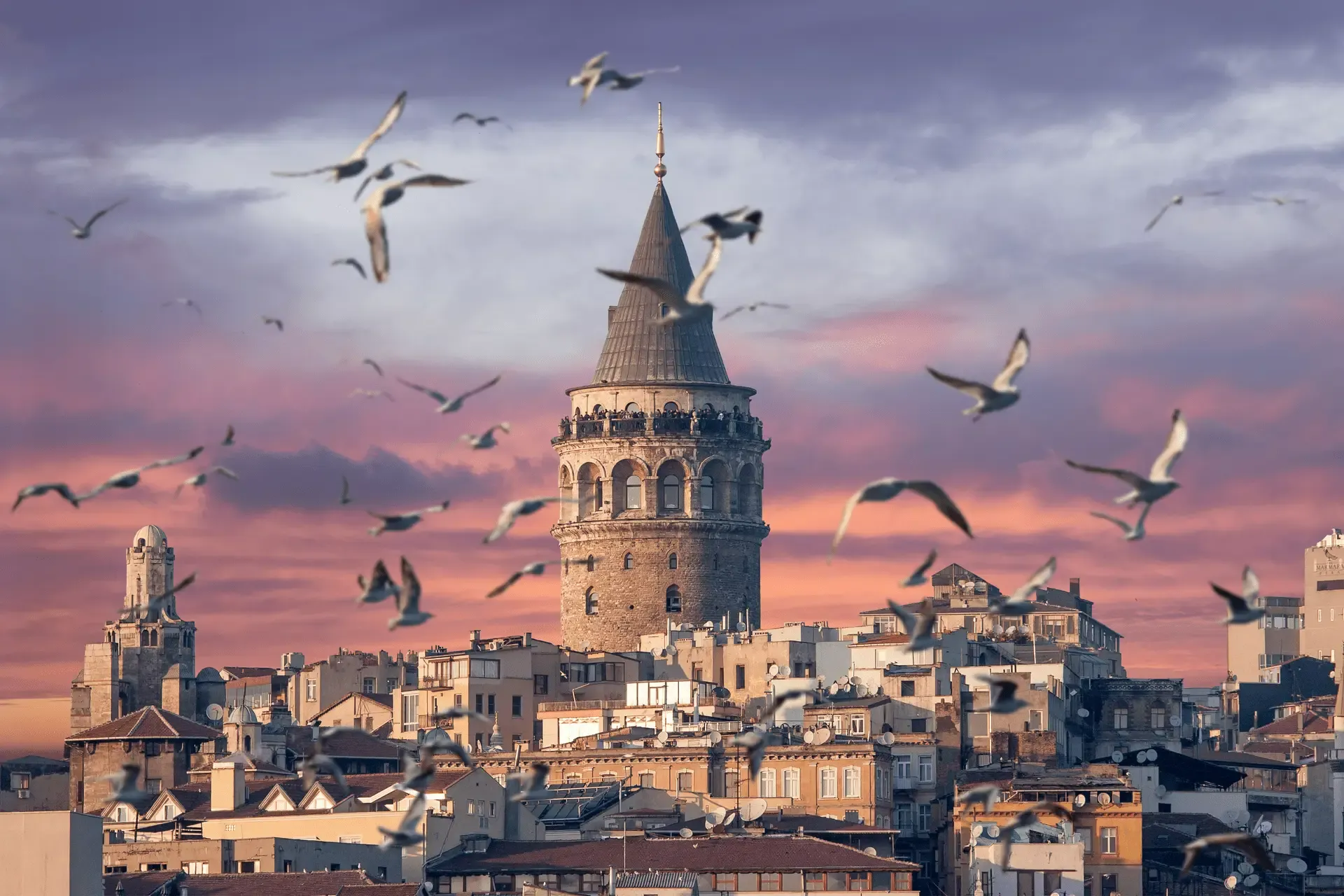
A stone guardian over water and hills
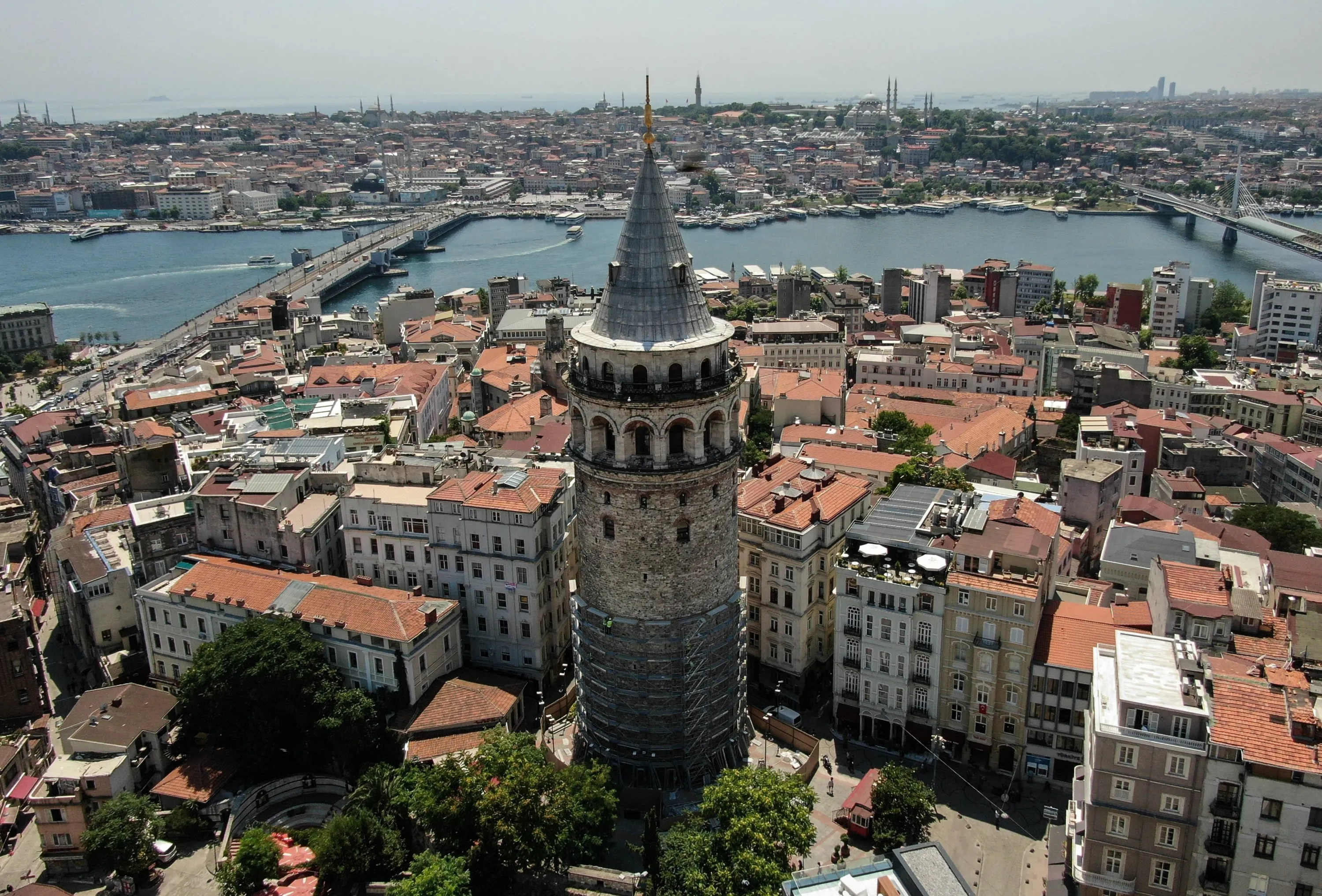
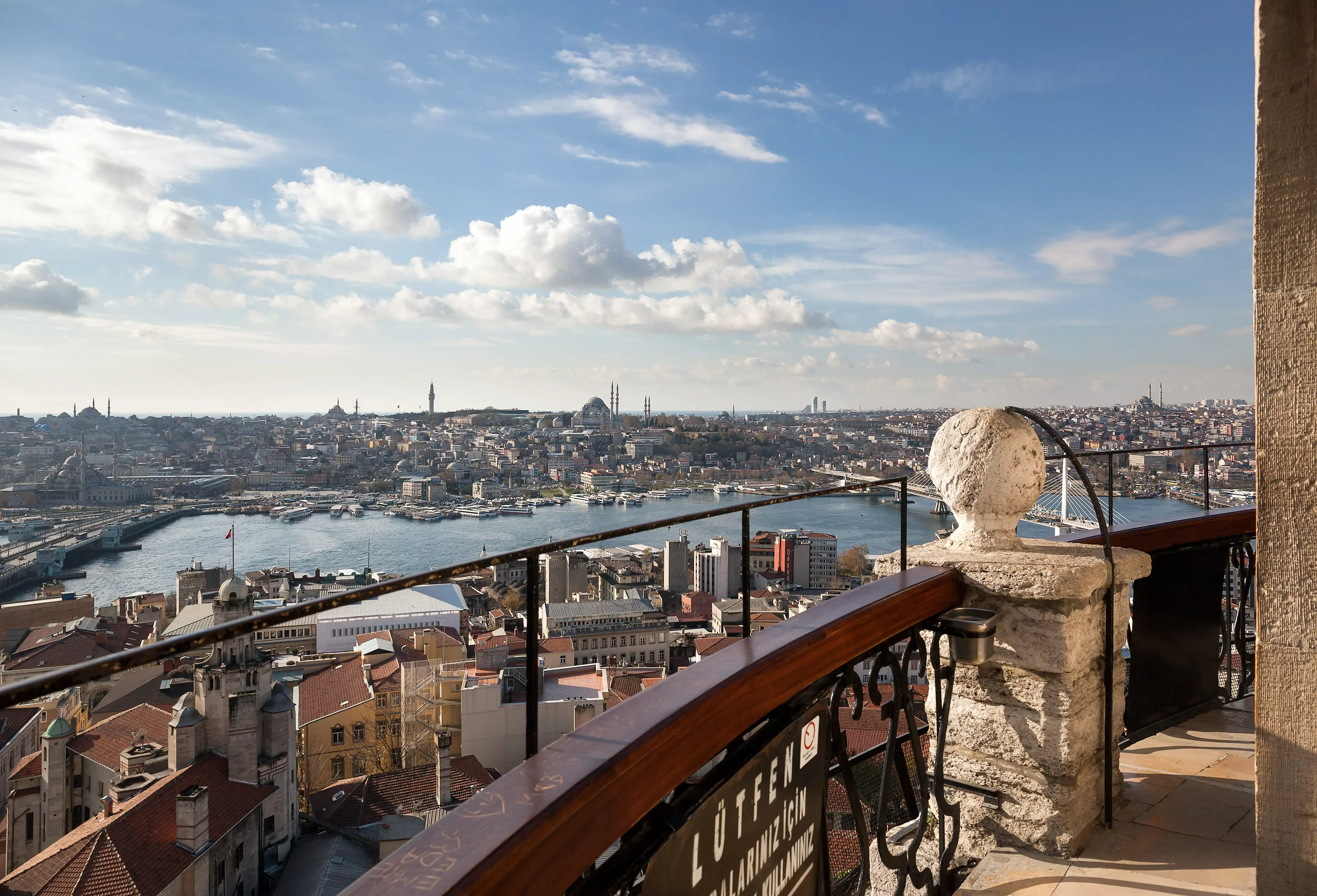
Galata Tower rewards unhurried steps: wind your way up, pause at the slits of light, and let the city reveal itself—Golden Horn curling like a quiet crescent, Bosphorus shimmering toward the sea, rooftops stitched with minarets and laundry lines.
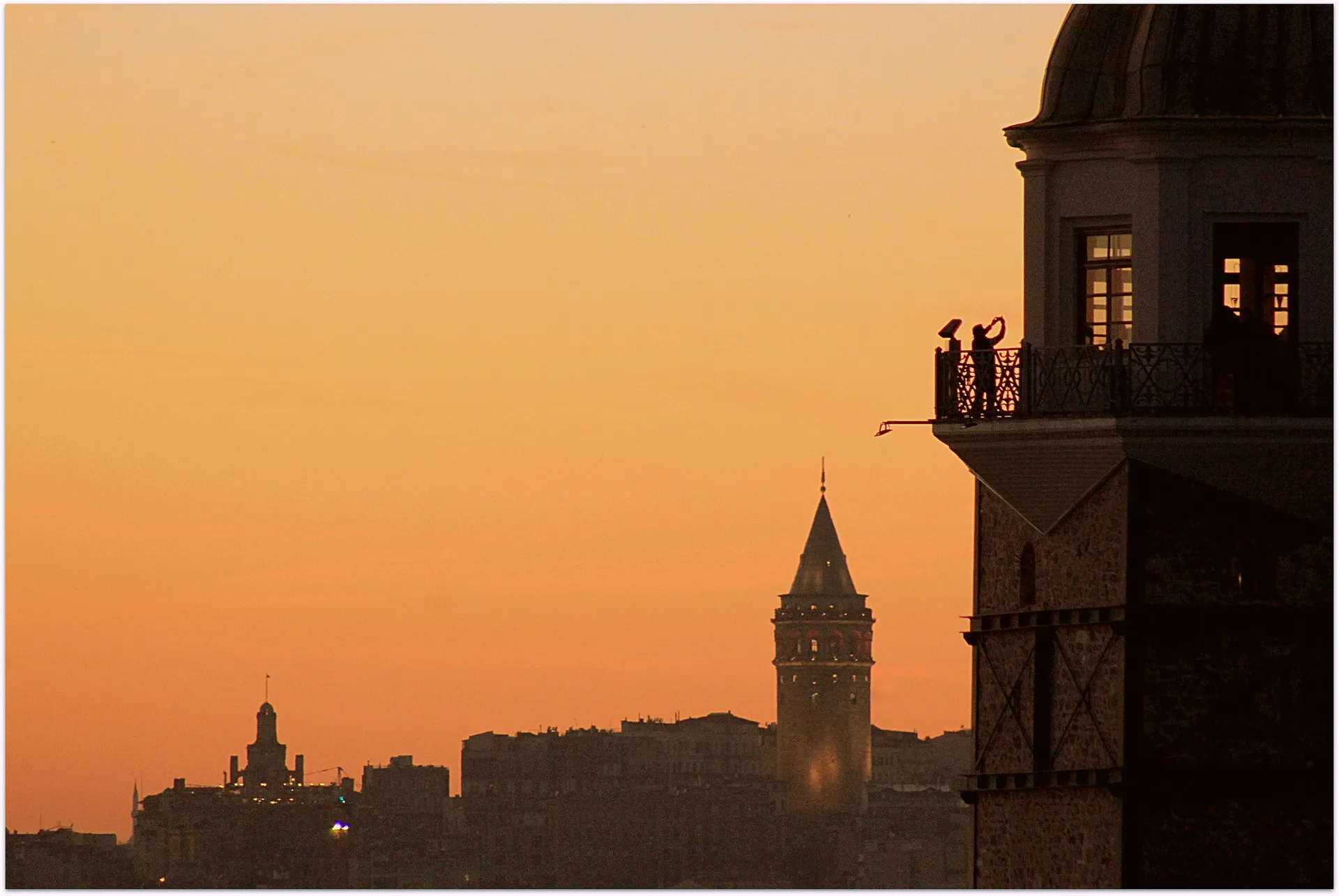
Arrive early or stay for sunset; mind the stairs and move gently in narrow passages..
Galata Tower (Galata Kulesi) Visiting timetable
Open daily with seasonal adjustments. Evening slots are popular for sunset views. Final admission can shift on busy days; observation terrace may limit capacity for safety.
Galata Tower (Galata Kulesi) Closing Days
Open most days; portions may close during national holidays, special events, or restoration. Check official advisories for the observation terrace and museum floors.
Where is Located
Bereketzade, Galata Kulesi, 34421 Beyoğlu, Istanbul, Türkiye
How to get there
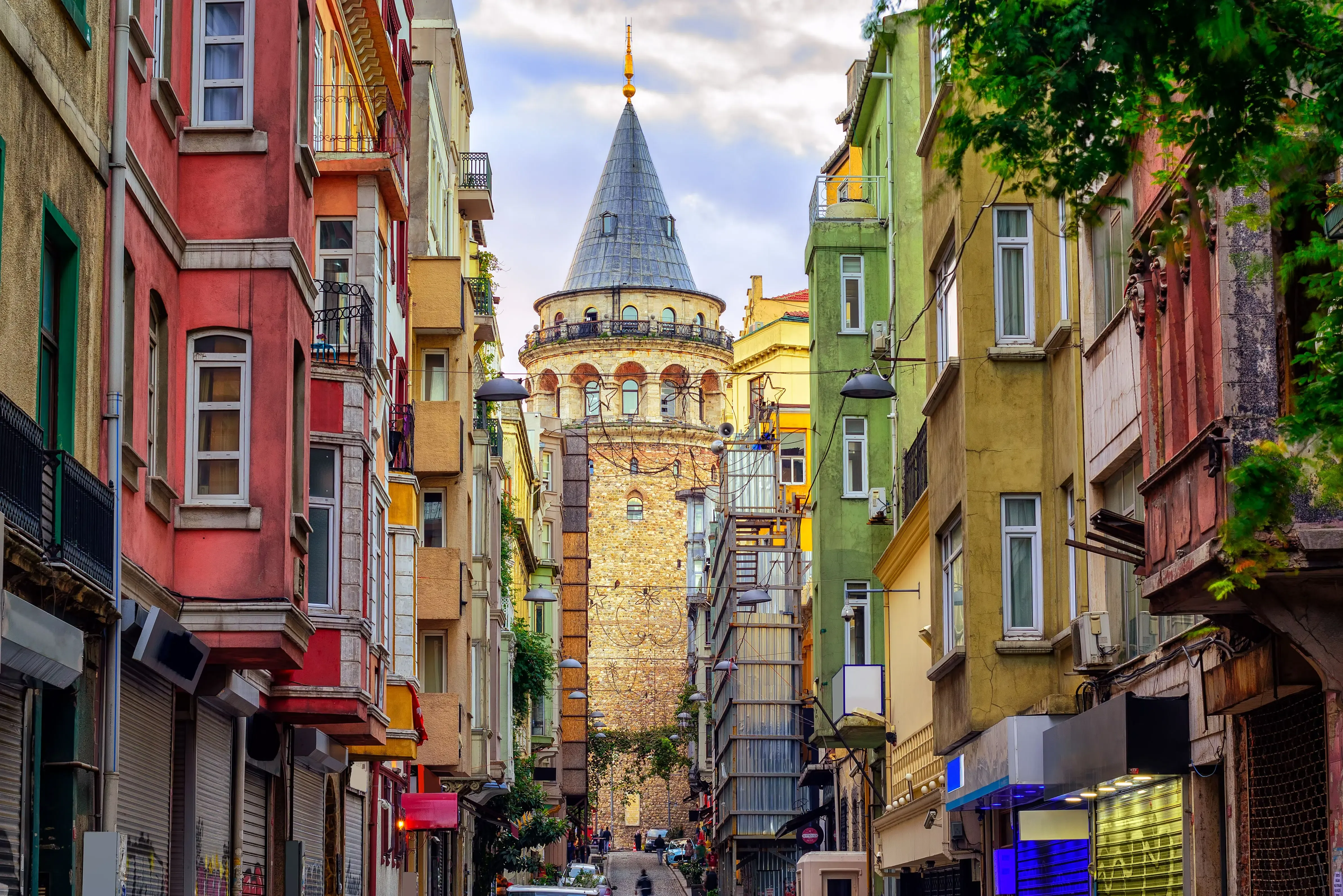
In Beyoğlu above Karaköy—an easy walk from tram and Metro, nestled between café streets and quiet lanes that lead up the hill.
By Train
From Karaköy (T1) or Şişhane (M2): walk uphill through narrow streets; the tower’s crown appears between stone facades. Follow signposts and the gentle stream of visitors.
By Car
Traffic can be tight, streets are steep, and parking limited. Favor public transport or taxi to the lower slopes, then continue on foot.
By Bus
City buses serve Karaköy and Beyoğlu broadly. Alight near the lower quays or İstiklal Caddesi, then weave through side streets toward the square below the tower.
On Foot
Walking is the common route—pair with Karaköy’s cafés, Galata Bridge, and a gentle ascent through boutiques and bakeries.
Why climb Galata Tower
Medieval Genoese fortitude, Ottoman continuity, city‑wide panorama, a museum of stories, and the soft thrill of seeing Istanbul unfold in all directions.
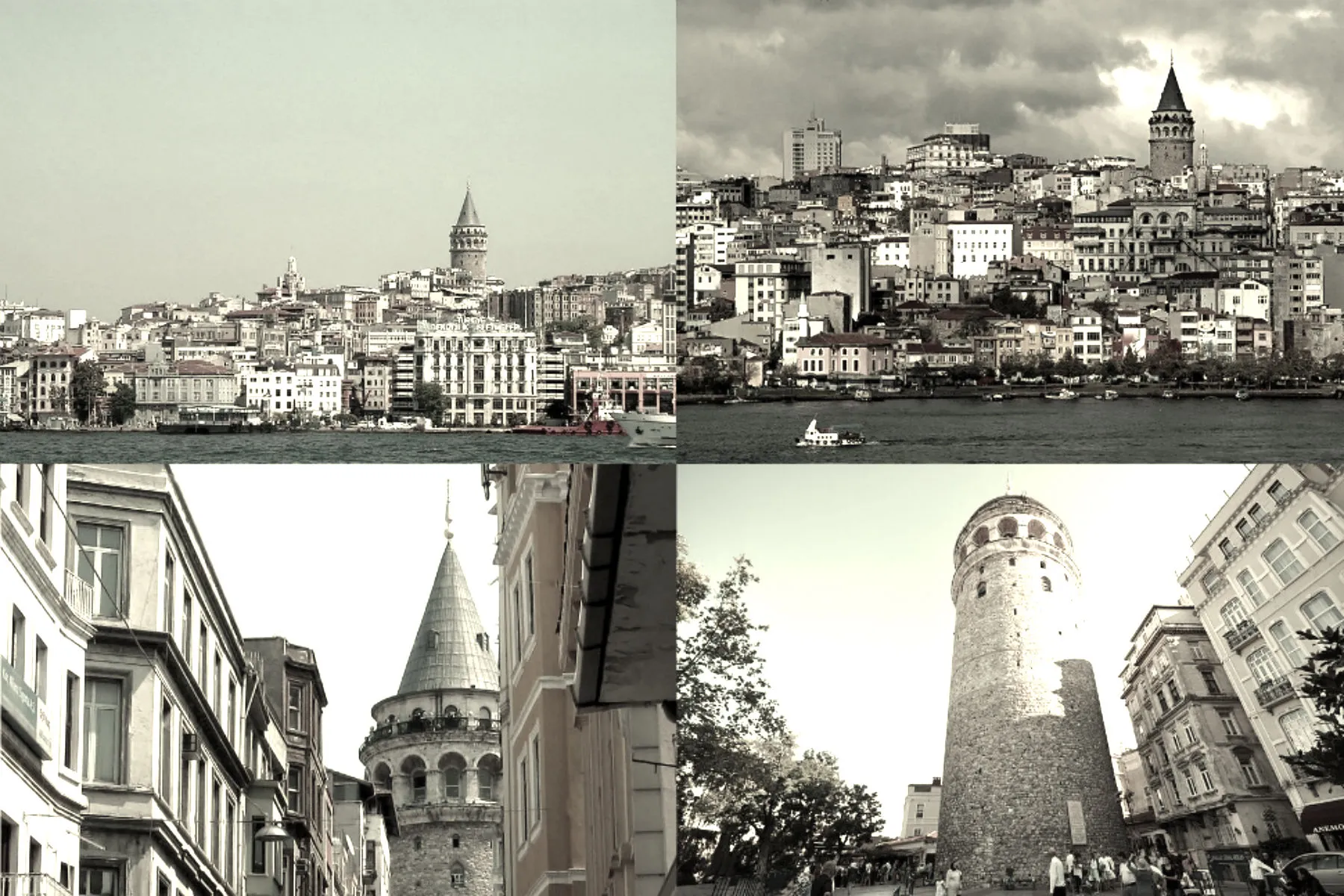
Galata Tower (Galata Kulesi)
Observation Terrace
A circular vantage that gathers Istanbul in one glance—bridges, ferries, domes and minarets like notes in a city‑wide song.
Medieval Stonework
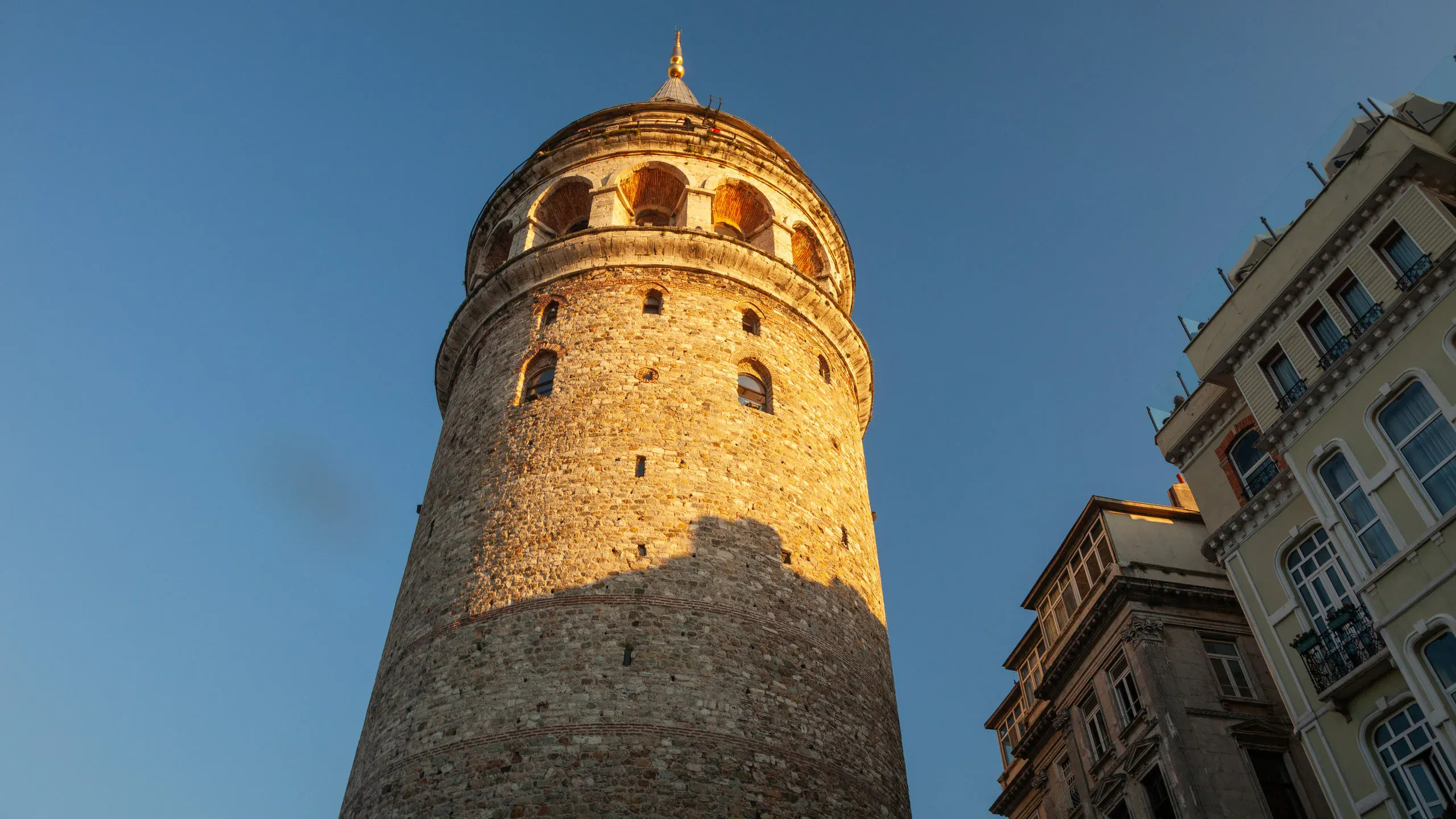
Thick walls, narrow lights, and sturdy arches—Genoese confidence set in stone, later cared for by Ottoman hands and modern conservators.
Legends & Exhibits
Stories of fires, restorations, and daring flight—Hezarfen Ahmed Çelebi said to have glided from the tower over the Bosphorus breeze.
Galata Tower basics at a glance
Simple, friendly planning for a beautiful view.
Plan your skyline moment
Arrive early for calm terraces and clear views.
Pair the tower with Karaköy, İstiklal, and the Galata Bridge walk for a full city day.