A tower shaped by currents
Masonry, battlements, wooden crowns, and restorations carry the memory of merchants, sailors, artisans, and storytellers.
Table of Contents
Foundations: water, hills, and merchants
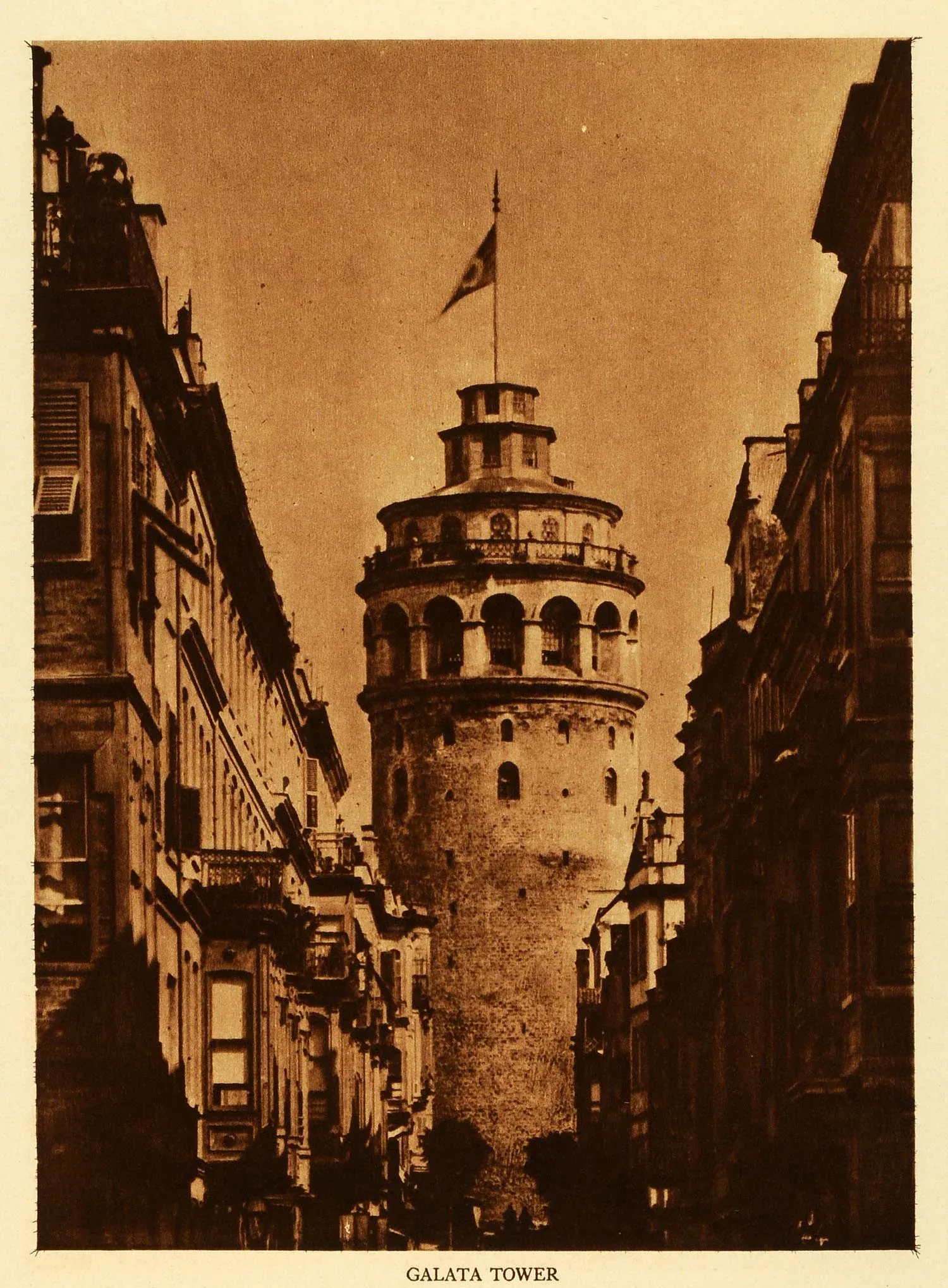
Istanbul grew around currents and contours—water lanes and ridgelines turning geography into trade and meeting. The Golden Horn cradled markets and shipyards; the Bosphorus pulled sails like threads through a loom. Merchants learned the city as wind and slope.
Galata rose as a companion to the old city across the water: a district of counting houses and sailors, of ropes and bells, where stone and timber marked the pulse of commerce and caution.
Genoese ambition: a watchtower for trade
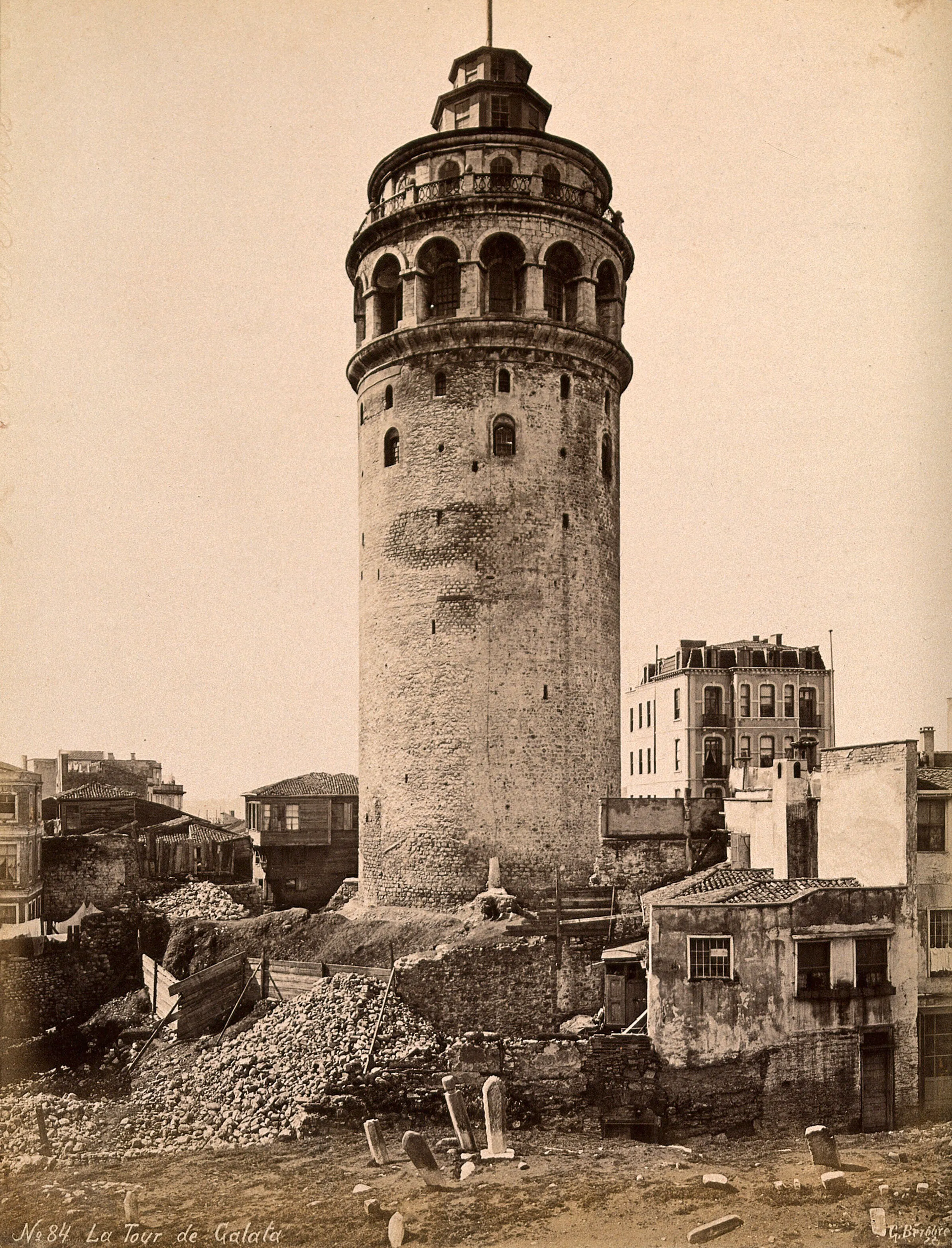
In the 14th century, the Genoese dared a high signal: build a tower that could see storms coming and ships returning. A watchful eye over harbors, a symbol of presence and pact in a city of empires.
They laid thick masonry, narrow windows, and a proud crown—architecture as reassurance to merchants and mariners. The tower recorded wind on its stones and gossip in its stairwells.
Ottoman continuity: fires, repairs, and urban growth
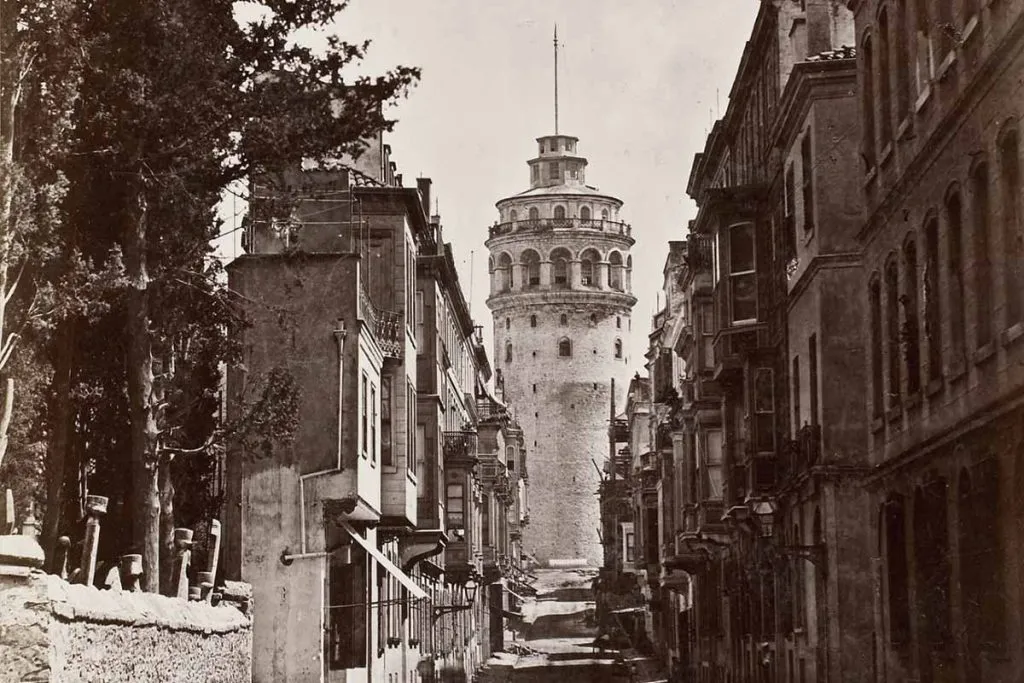
Under Ottoman care, the tower witnessed fires licking rooftops and the city learning to rebuild layer upon layer. Repairs and reinvention kept Galata part of Istanbul’s expanding conversation.
Townsfolk set their clocks by its presence, sailors gauged weather by its silhouette, and storytellers polished legends in the evenings—history kept climbing those steps like a regular guest.
Architecture in dialogue: stone, wind, and horizon
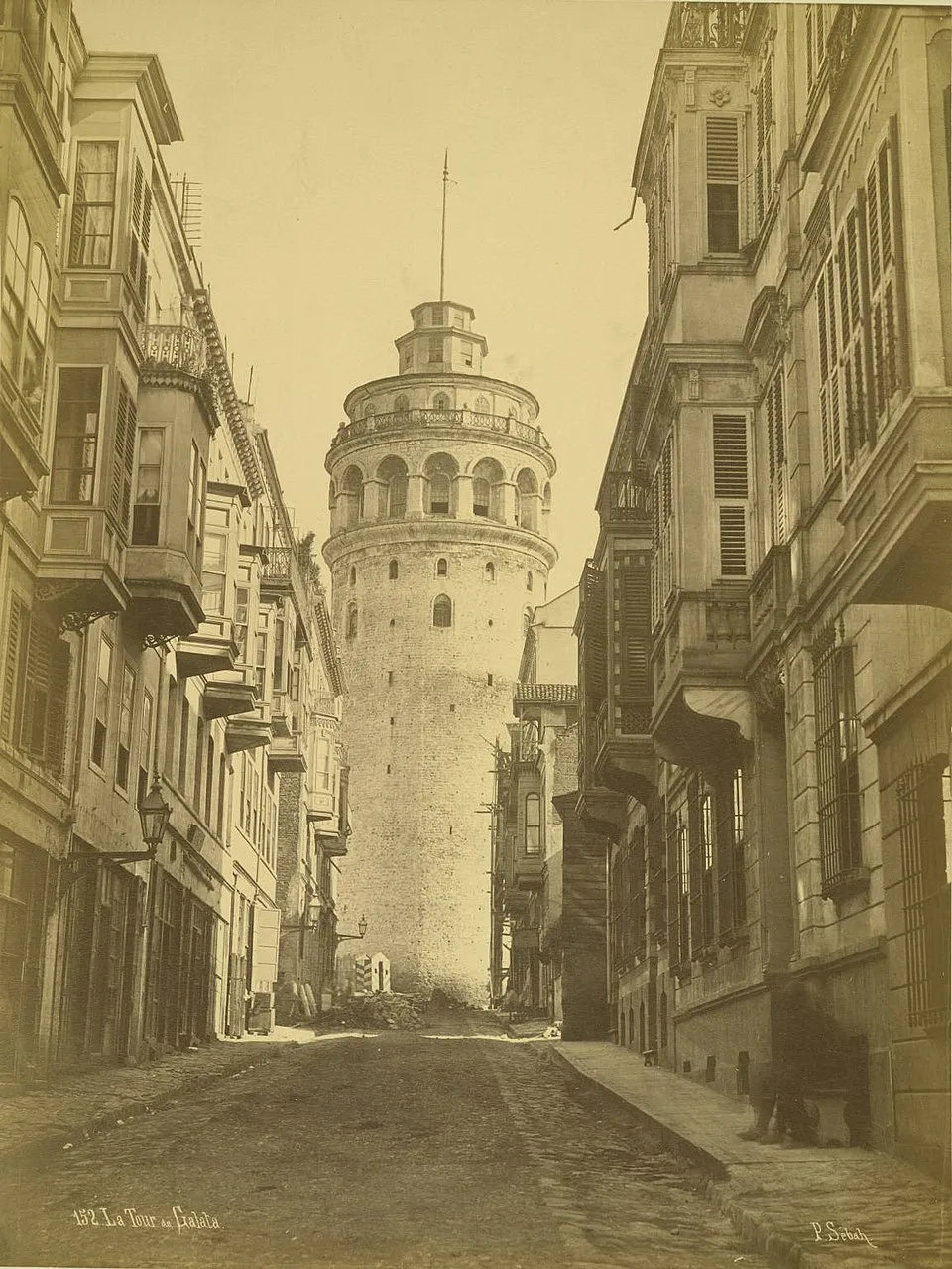
Stand on the terrace and let the horizon teach you scale. Bridges stitch peninsulas; minarets prickle the sky; ferries cut white wakes that write temporary poems on blue water.
Restorations added timber crowns and safety—each generation adjusting the tower to new needs while keeping its old, steady gaze. Wind gives the building a voice; light gives it seasons.
Daily rhythm: guards, bells, and city time
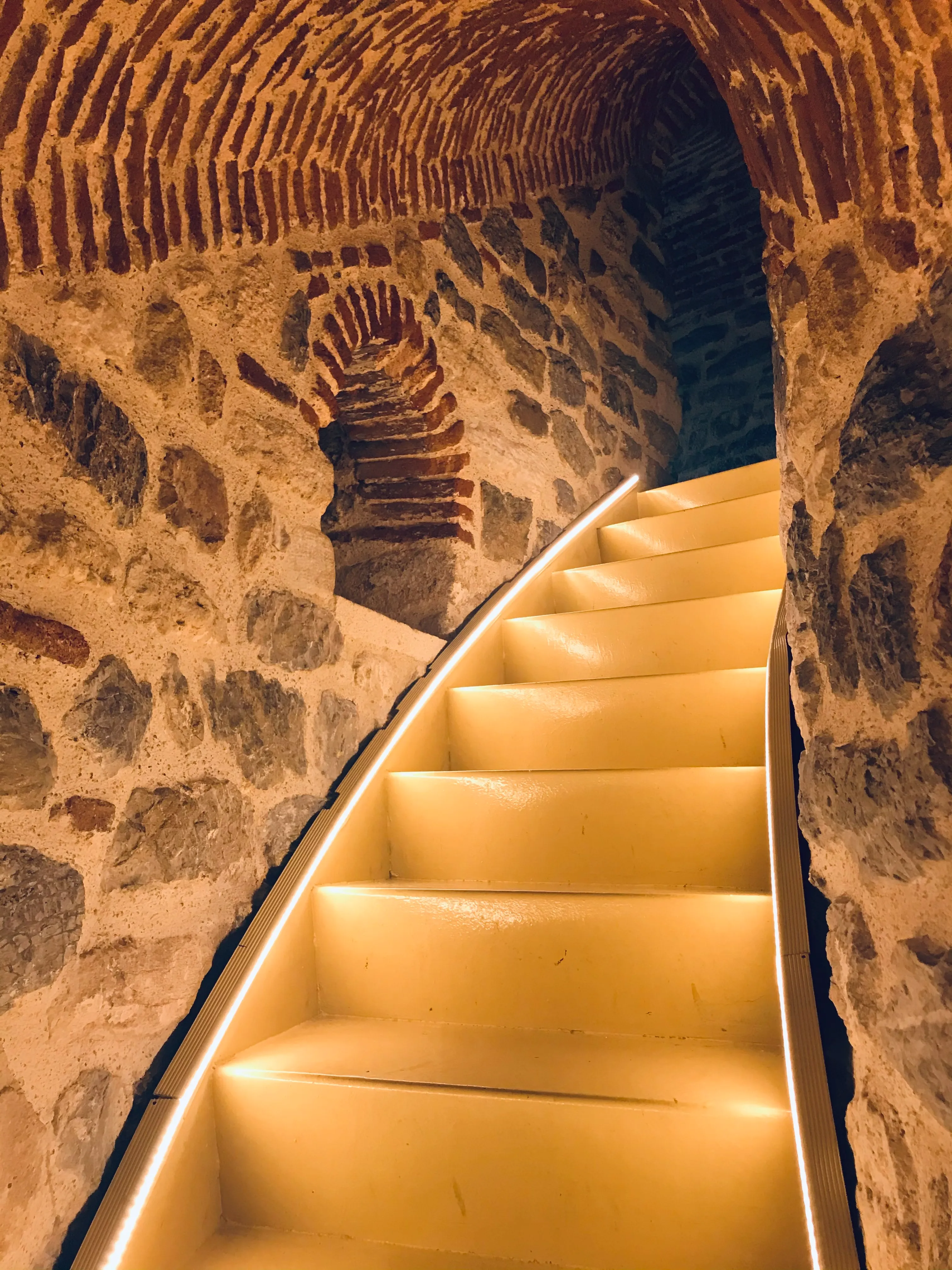
The tower’s past held guards watching for smoke and sails, bells or drums marking hours, and neighbors reading the sky from doorways. The city measured itself by glances upward.
Today, you’ll meet visitors counting bridges and domes, laughing softly at the gulls, and leaning into the breeze. Move kindly; narrow terraces request patience and small steps.
Craft techniques: masonry, timber, and restoration
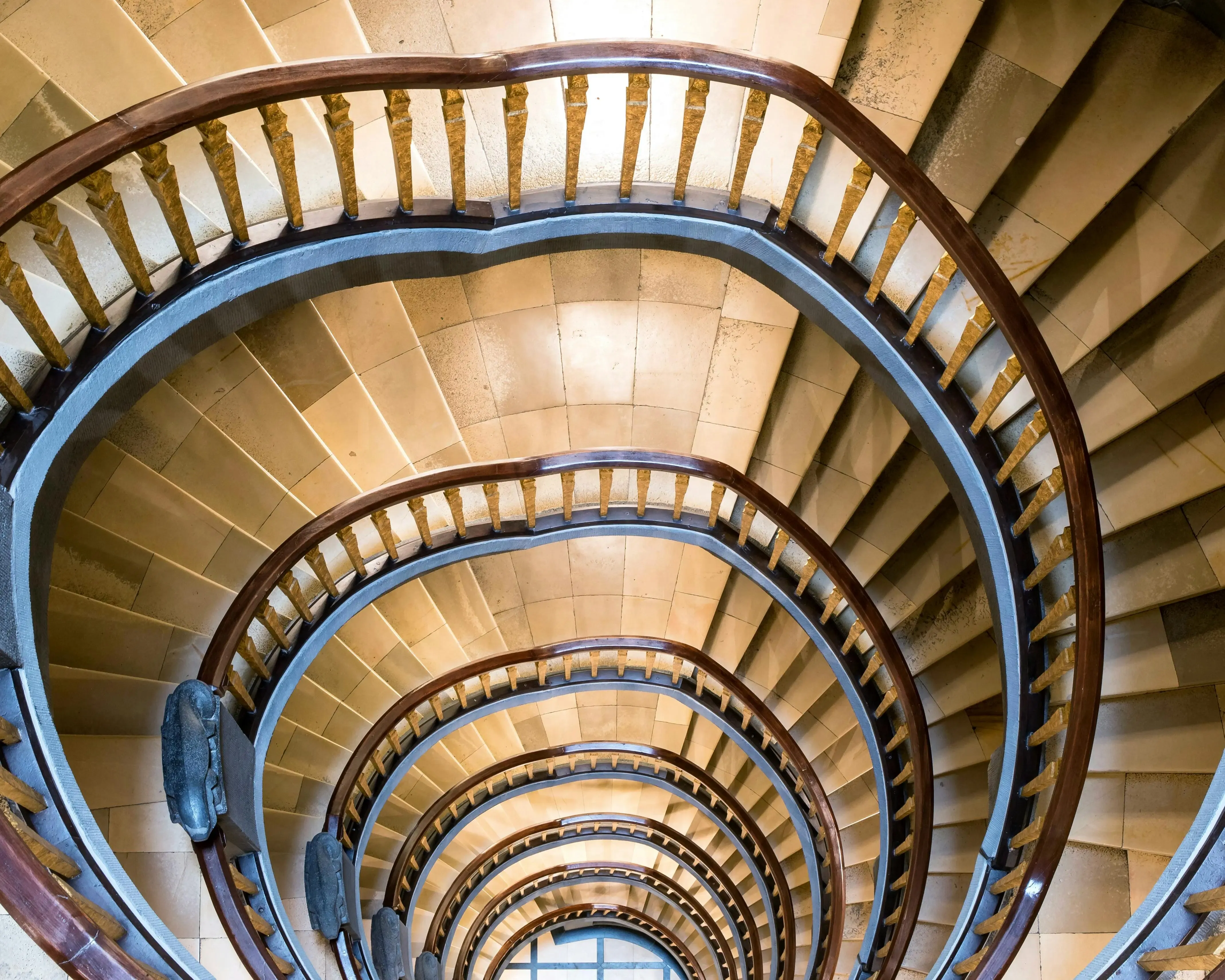
Masonry here is confidence in gravity—courses bedded with care, joints that memorize centuries. Timber crowns add resilience, letting the tower flex with weather instead of resisting blindly.
Modern conservation learns from old practice: read cracks like sentences, test moisture like pulse, and keep the view safe without quieting the building’s personality.
Accessibility & visitor comfort
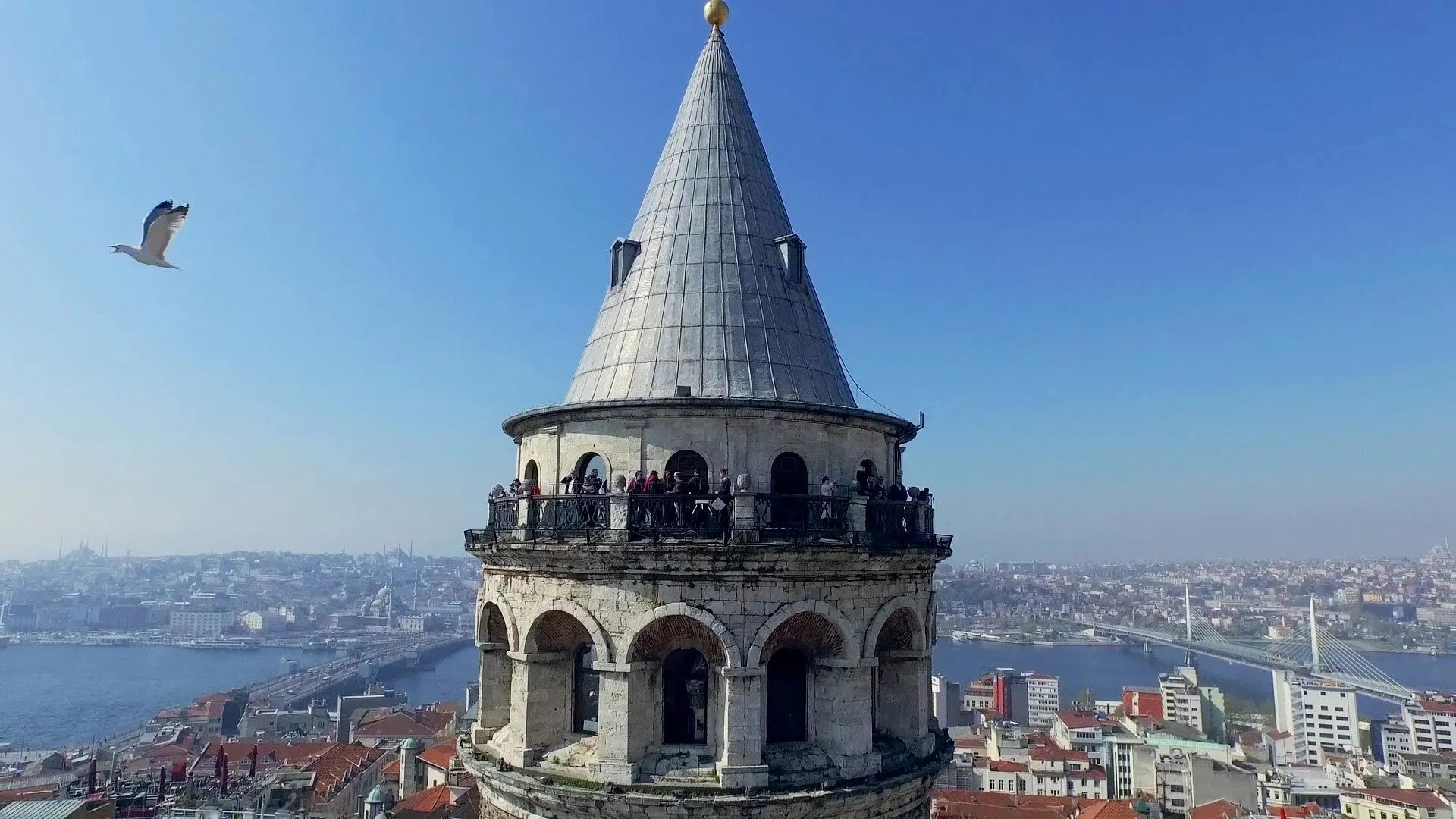
Staff guidance and managed capacity support movement on stairs and terraces. Official resources outline routes considerate of safety, landings, and exhibit pacing.
Hydration, comfortable shoes, and patient timing make the visit kinder. Nearby benches and cafés offer pauses—use them to let the skyline settle in your memory.
Conservation & stewardship in a living city
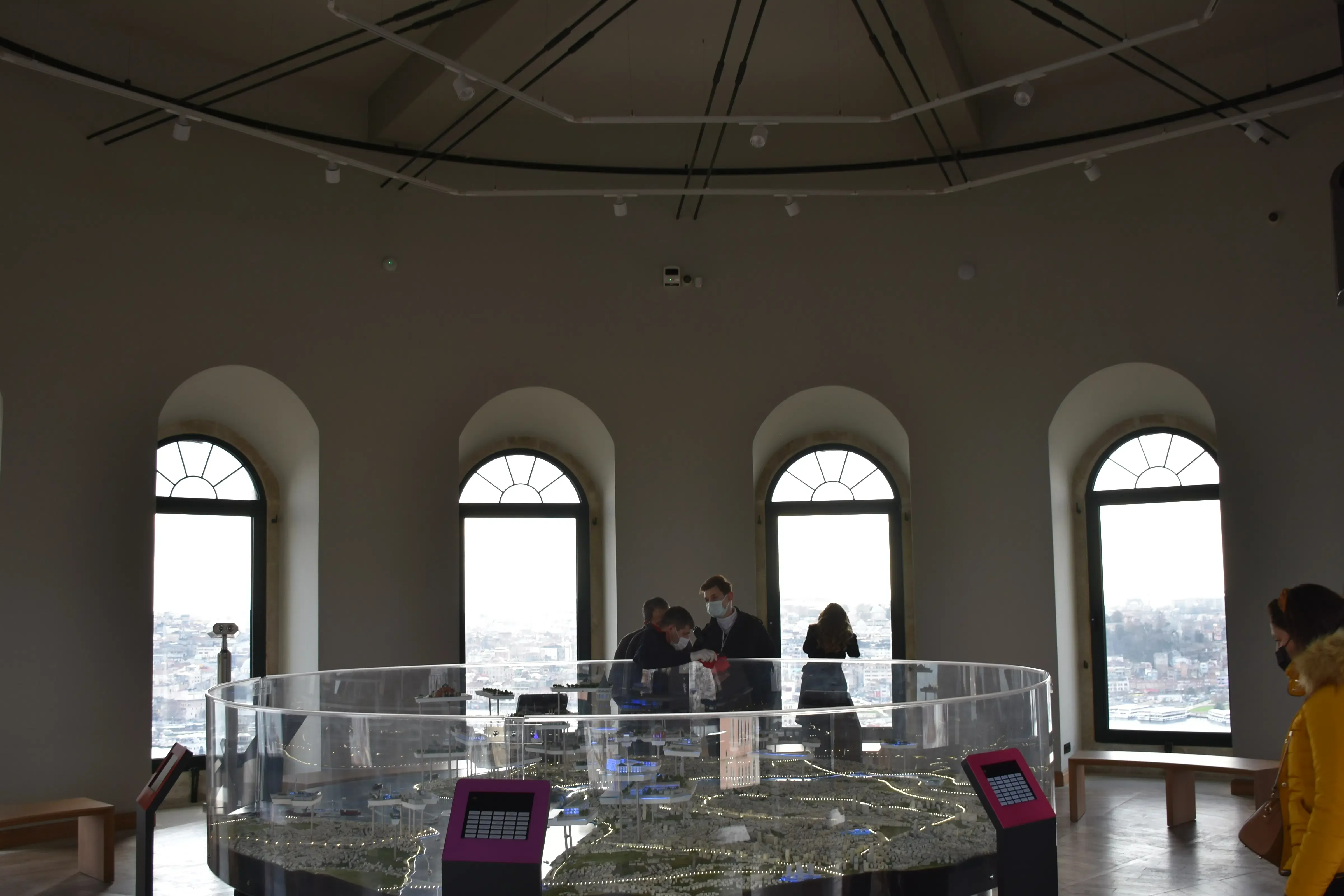
Conservation balances tourism, neighborhood life, and the duty of care. Wind, salt, and footfall test materials; experts read the tower like navigators read currents.
Monitoring load and weather keeps the terrace gentle and safe. Occasional closures protect fragile elements while keeping the city’s view open to gratitude.
Global imagery & the city’s imagination
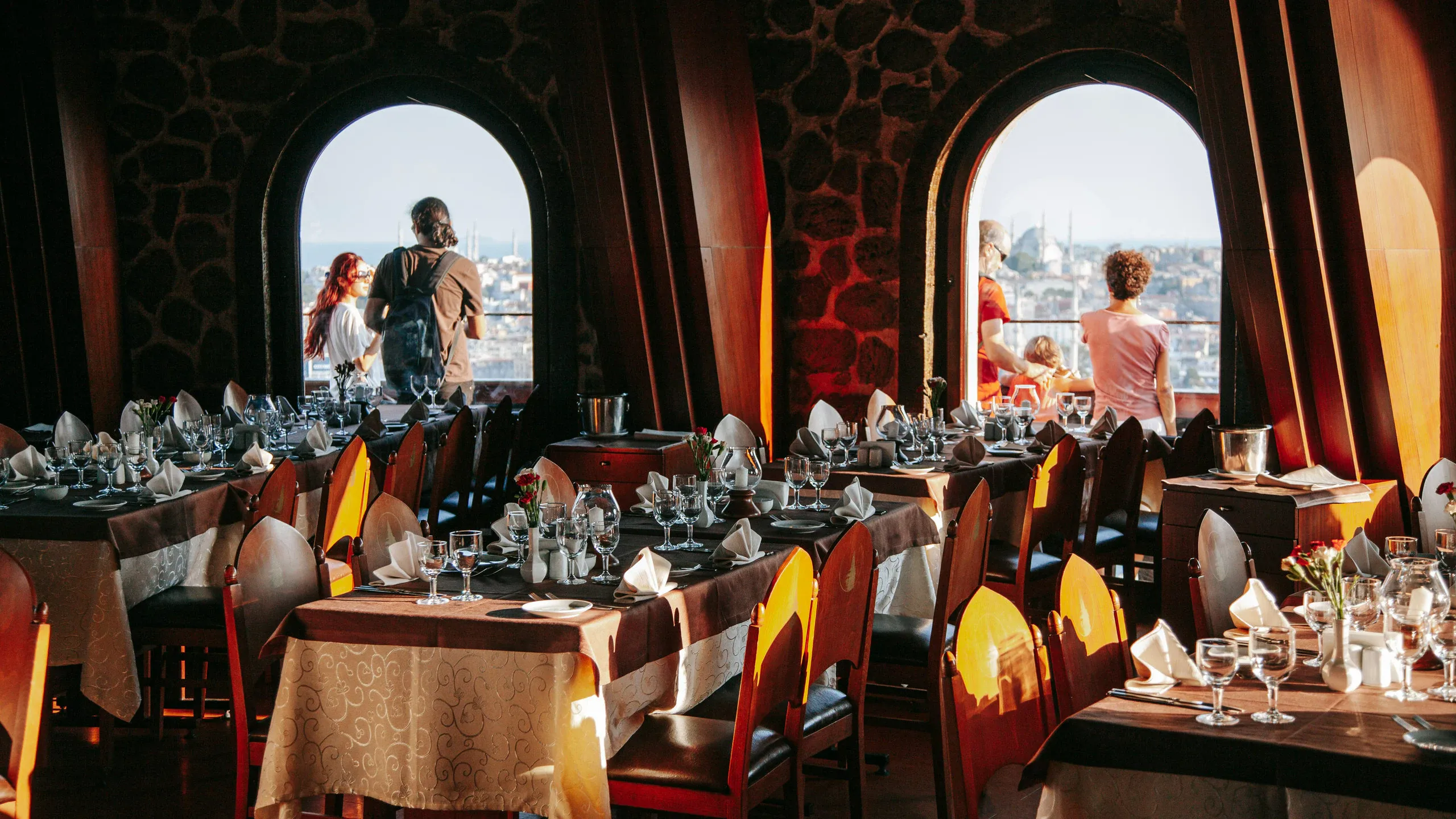
Galata Tower lives in postcards, films, and the quiet albums of travelers. It appears whenever people ask if vantage can become belonging, or if a skyline can be a memory you carry.
Photography is best when gentle—let your eyes arrive first, then your lens. Sometimes the finest image is the one you store as a feeling.
Route planning with historical context
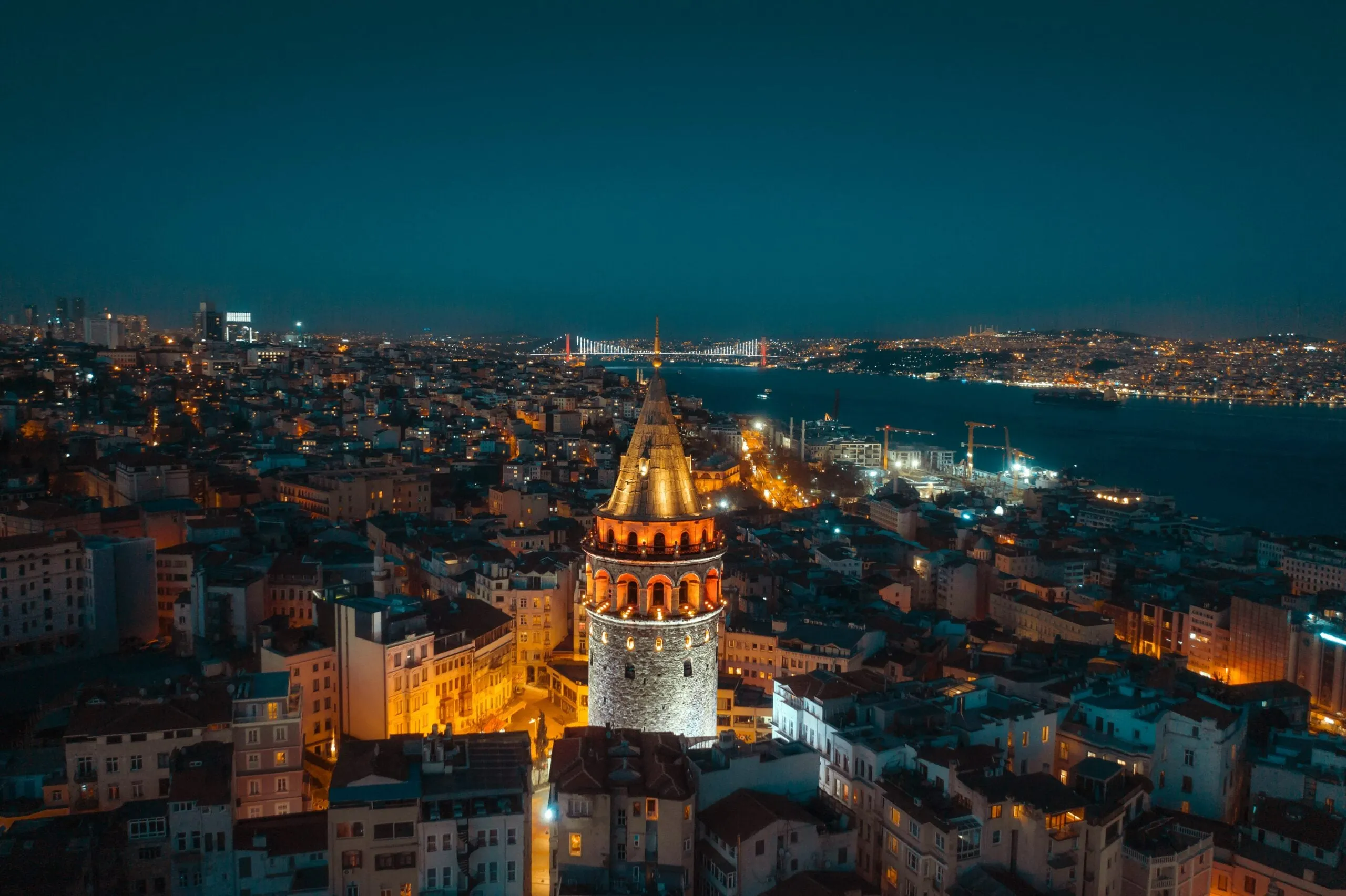
Begin inside with exhibits, then trace the staircase to landings and finally the terrace. Read neighborhoods from above: Sultanahmet’s domes, Beyoğlu’s streets, Üsküdar across the water, ships threading the strait.
Return often to a quiet corner—perspective changes with wind and light. Read stone like a book: joints speak of patience; timber speaks of care; the horizon speaks of time.
Istanbul’s maritime fabric & trade
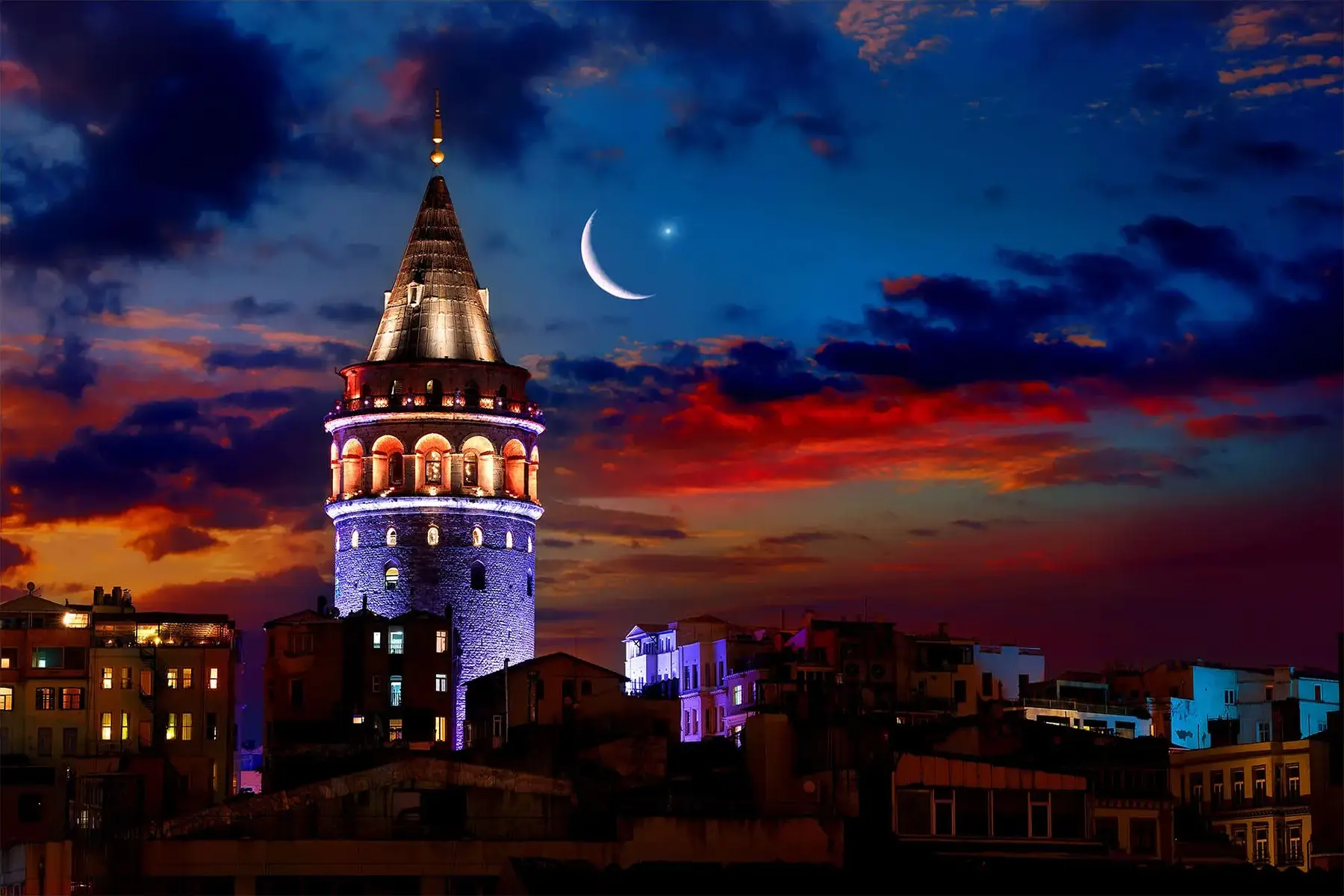
The city’s wealth rode on ships, markets, and stories—spice, silk, timber, and ideas crossed the water, meeting in warehouses and wharves beneath the tower’s gaze.
Urban layering around Galata shows how commerce, craft, and daily life touch and tug and settle, making streets that teach you to look outward and breathe.
Nearby complementary sites
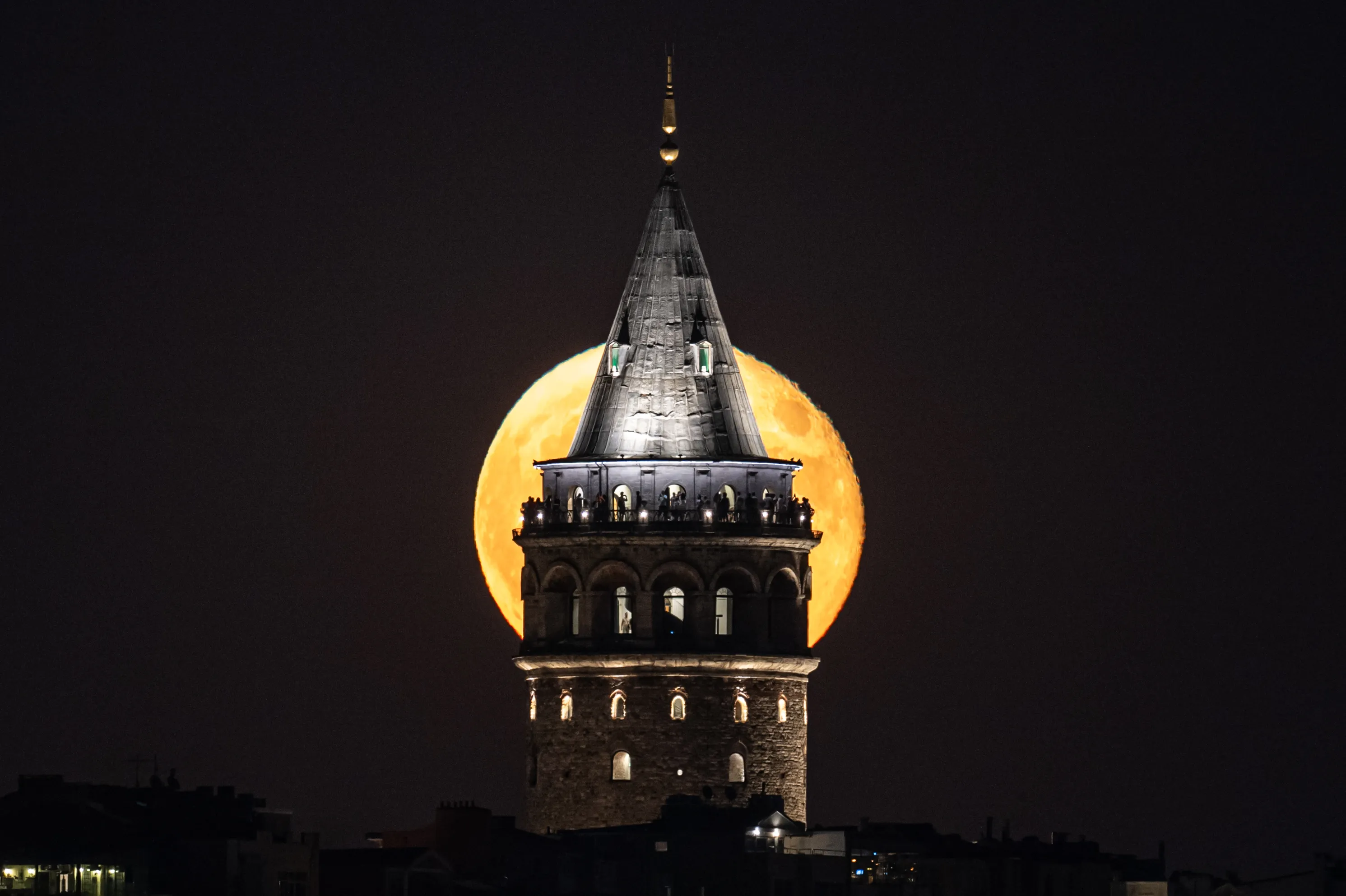
Galata Bridge, Karaköy quays, İstiklal Caddesi, Pera Museum, and the waterfront ferries enrich the story—each offers a facet of Istanbul’s conversation with water and height.
A gentle itinerary contrasts terrace views, museum quiet, café chatter, and rivers of people along İstiklal—threads you can weave into your own day of wonder.
Enduring legacy of Galata Tower
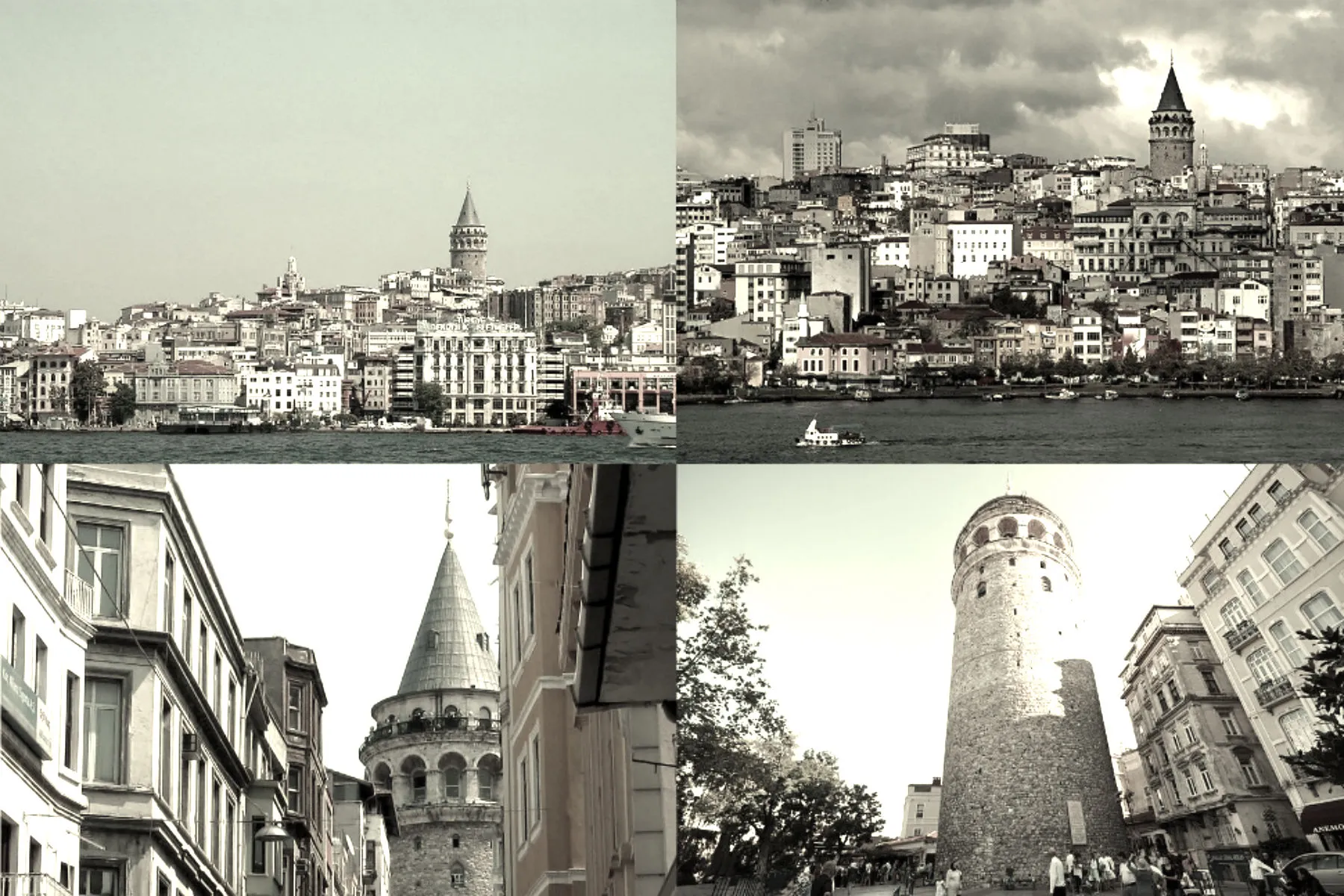
Galata Tower embodies the idea that vantage can become insight—that stone can host the city’s breath and wind can carry its music. It is a bridge between sea and hill, between trade and tale.
Ongoing study deepens gratitude for its resilient masonry and restored crowns, shaping modern ethics of conservation, safety, and hospitality on high places.
Table of Contents
Foundations: water, hills, and merchants
Istanbul grew around currents and contours—water lanes and ridgelines turning geography into trade and meeting. The Golden Horn cradled markets and shipyards; the Bosphorus pulled sails like threads through a loom. Merchants learned the city as wind and slope.
Galata rose as a companion to the old city across the water: a district of counting houses and sailors, of ropes and bells, where stone and timber marked the pulse of commerce and caution.
Genoese ambition: a watchtower for trade
In the 14th century, the Genoese dared a high signal: build a tower that could see storms coming and ships returning. A watchful eye over harbors, a symbol of presence and pact in a city of empires.
They laid thick masonry, narrow windows, and a proud crown—architecture as reassurance to merchants and mariners. The tower recorded wind on its stones and gossip in its stairwells.
Ottoman continuity: fires, repairs, and urban growth
Under Ottoman care, the tower witnessed fires licking rooftops and the city learning to rebuild layer upon layer. Repairs and reinvention kept Galata part of Istanbul’s expanding conversation.
Townsfolk set their clocks by its presence, sailors gauged weather by its silhouette, and storytellers polished legends in the evenings—history kept climbing those steps like a regular guest.
Architecture in dialogue: stone, wind, and horizon
Stand on the terrace and let the horizon teach you scale. Bridges stitch peninsulas; minarets prickle the sky; ferries cut white wakes that write temporary poems on blue water.
Restorations added timber crowns and safety—each generation adjusting the tower to new needs while keeping its old, steady gaze. Wind gives the building a voice; light gives it seasons.
Daily rhythm: guards, bells, and city time
The tower’s past held guards watching for smoke and sails, bells or drums marking hours, and neighbors reading the sky from doorways. The city measured itself by glances upward.
Today, you’ll meet visitors counting bridges and domes, laughing softly at the gulls, and leaning into the breeze. Move kindly; narrow terraces request patience and small steps.
Craft techniques: masonry, timber, and restoration
Masonry here is confidence in gravity—courses bedded with care, joints that memorize centuries. Timber crowns add resilience, letting the tower flex with weather instead of resisting blindly.
Modern conservation learns from old practice: read cracks like sentences, test moisture like pulse, and keep the view safe without quieting the building’s personality.
Accessibility & visitor comfort
Staff guidance and managed capacity support movement on stairs and terraces. Official resources outline routes considerate of safety, landings, and exhibit pacing.
Hydration, comfortable shoes, and patient timing make the visit kinder. Nearby benches and cafés offer pauses—use them to let the skyline settle in your memory.
Conservation & stewardship in a living city
Conservation balances tourism, neighborhood life, and the duty of care. Wind, salt, and footfall test materials; experts read the tower like navigators read currents.
Monitoring load and weather keeps the terrace gentle and safe. Occasional closures protect fragile elements while keeping the city’s view open to gratitude.
Global imagery & the city’s imagination
Galata Tower lives in postcards, films, and the quiet albums of travelers. It appears whenever people ask if vantage can become belonging, or if a skyline can be a memory you carry.
Photography is best when gentle—let your eyes arrive first, then your lens. Sometimes the finest image is the one you store as a feeling.
Route planning with historical context
Begin inside with exhibits, then trace the staircase to landings and finally the terrace. Read neighborhoods from above: Sultanahmet’s domes, Beyoğlu’s streets, Üsküdar across the water, ships threading the strait.
Return often to a quiet corner—perspective changes with wind and light. Read stone like a book: joints speak of patience; timber speaks of care; the horizon speaks of time.
Istanbul’s maritime fabric & trade
The city’s wealth rode on ships, markets, and stories—spice, silk, timber, and ideas crossed the water, meeting in warehouses and wharves beneath the tower’s gaze.
Urban layering around Galata shows how commerce, craft, and daily life touch and tug and settle, making streets that teach you to look outward and breathe.
Nearby complementary sites
Galata Bridge, Karaköy quays, İstiklal Caddesi, Pera Museum, and the waterfront ferries enrich the story—each offers a facet of Istanbul’s conversation with water and height.
A gentle itinerary contrasts terrace views, museum quiet, café chatter, and rivers of people along İstiklal—threads you can weave into your own day of wonder.
Enduring legacy of Galata Tower
Galata Tower embodies the idea that vantage can become insight—that stone can host the city’s breath and wind can carry its music. It is a bridge between sea and hill, between trade and tale.
Ongoing study deepens gratitude for its resilient masonry and restored crowns, shaping modern ethics of conservation, safety, and hospitality on high places.