开放时间08:30 AM – 11:00 PM
|星期一, 九月 14, 2026Bereketzade, Galata Kulesi, 34421 Beyoğlu, Istanbul, Türkiye
返回 culture
history
Galata Tower History & Architecture – Byzantine to Ottoman
Discover how Galata evolved from a Genoese fortification into Istanbul’s beloved skyline beacon.
12/10/2025
13 min read
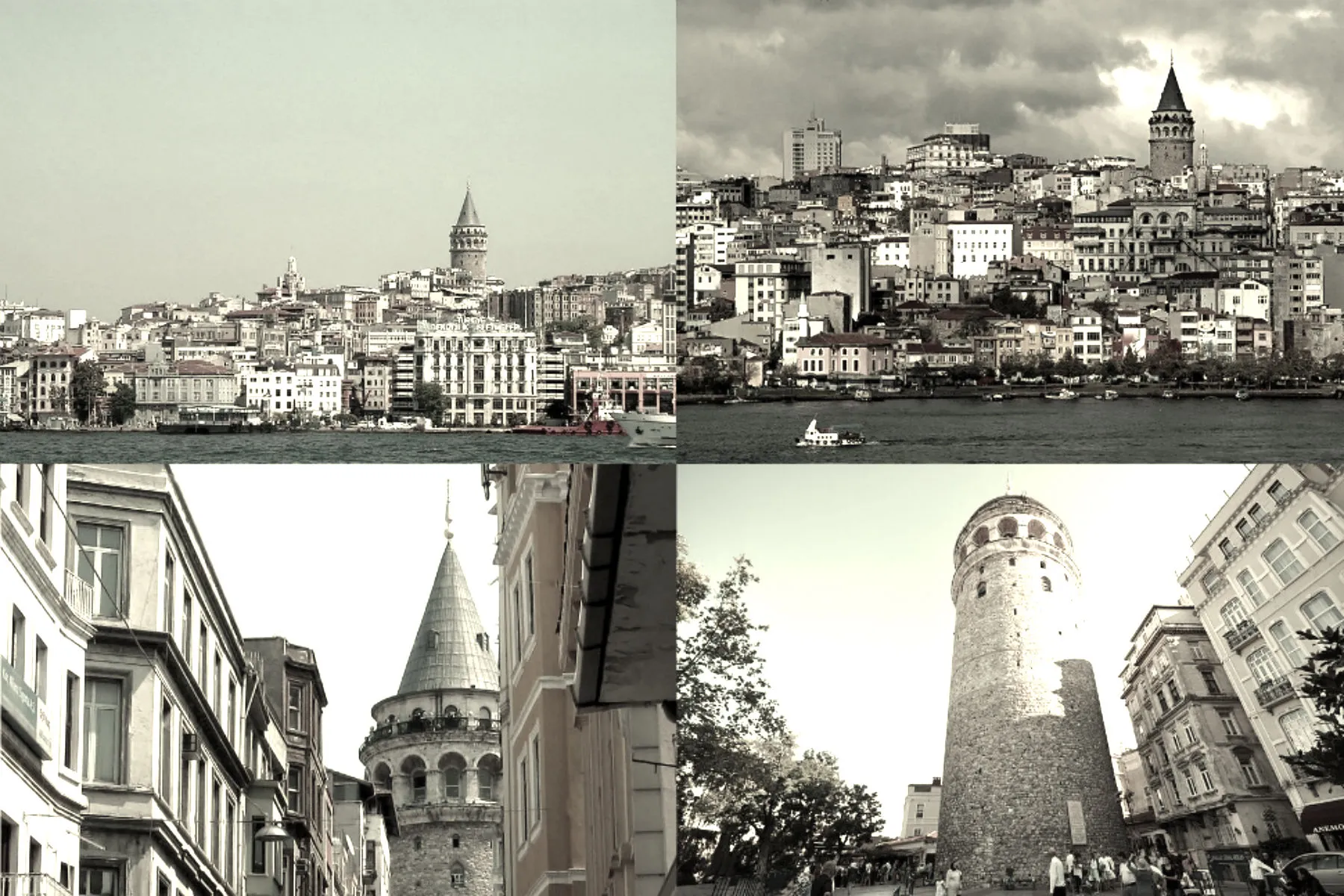
TL;DR: Built by the Genoese in the 14th century, Galata Tower watched over trade routes and city defenses. Over centuries, Ottoman repairs and modern restorations kept its stone body sound and its conical crown unmistakable.
Timeline at a Glance
| Era | Role | Notes |
|---|---|---|
| 14th c. (Genoese) | Watchtower | Maritime trade oversight; harbor visibility |
| Ottoman period | Fire lookout | Early-warning for timber-rich districts |
| Modern | Landmark & museum | Restorations; safe balcony access |
Construction & Materials
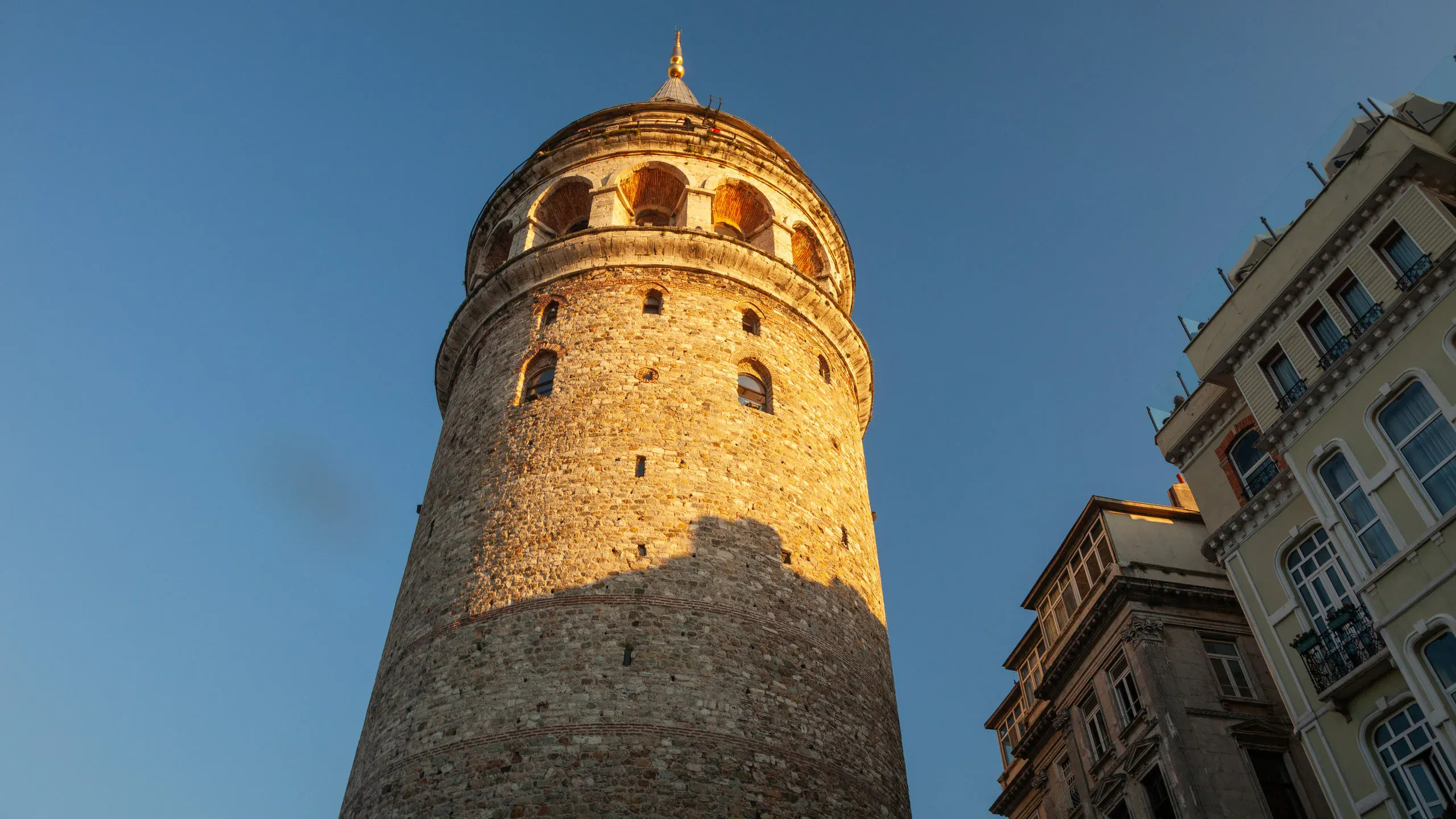
- Thick rubble stone and limestone blocks, circular plan, tapering geometry for stability.
- Conical roof added and reshaped across eras; current silhouette is the result of staged restorations.
- Mortar lines reveal repair epochs; look for color shifts and texture changes.
Reading stones: darker infills often mark later repairs; lighter, smoother courses can signal recent conservation.
Functions Through Time
- Watchtower guarding the harbor and Golden Horn entries.
- Fire lookout during Ottoman period (critical for wooden districts).
- Symbolic landmark and later museum/visitor site.
Restorations & Modern Work
- Structural reinforcements after seismic events; careful stone replacement.
- Interior floors adapted for exhibits and visitor flow.
- Balcony safety rails upgraded without spoiling the historic line.
Restoration philosophy: minimum intervention, maximum legibility — keep the story visible while ensuring safety.
Architectural Reading Walk
- Base masonry: assess block sizes and mortar lines.
- Window rhythm: vertical alignment supports internal stairs.
- Roof profile: proportion vs tower body; iconic silhouette.
- Transition band: where the cylinder meets the cone.
Context in the City
- Galata anchors the Golden Horn edge: a stone punctuation mark between sea routes and hills.
- Visual dialogues with Sultanahmet domes and bridges.
Image Highlights
Bottom Line
Galata Tower stands because it was built to endure — a precise marriage of defensive geometry and restoration patience.
关于作者

Istanbul Historian
我制作此内容,希望你以平静、上下文与关照来遇见加拉塔塔——让城市的光与海与丘陵从高处向你明白诉说。
Tags
Galata Tower
history
architecture
Byzantine
Ottoman
Comments (0)
Leave a Comment
Loading comments...