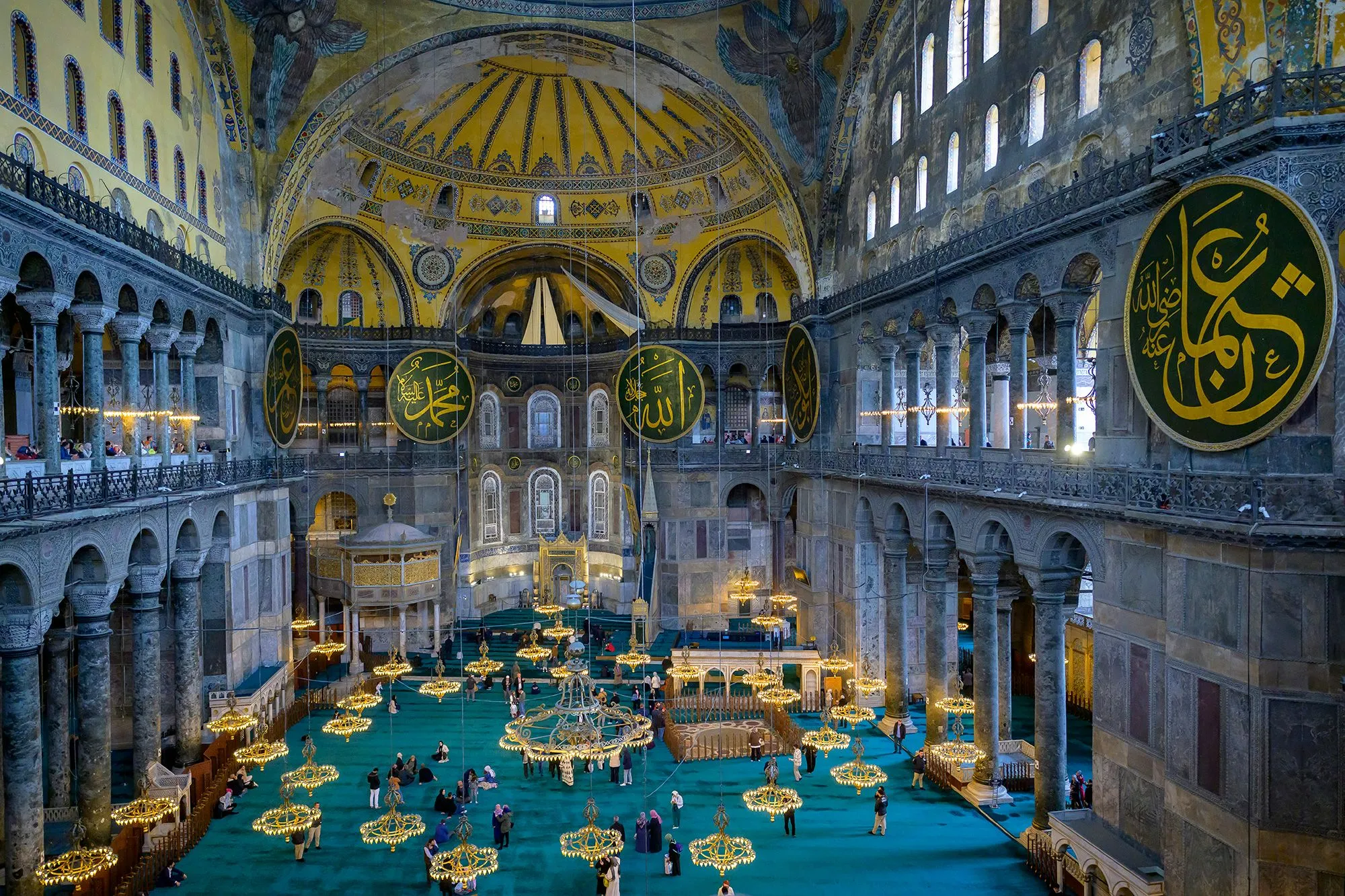
Appropriate Outfit for Hagia Sophia: Modesty, Comfort, and Seasonal Tips
A comprehensive outfit guide tailored to Hagia Sophia’s etiquette and Istanbul’s seasons, with examples, packing lists, and do’s & don’ts.
→
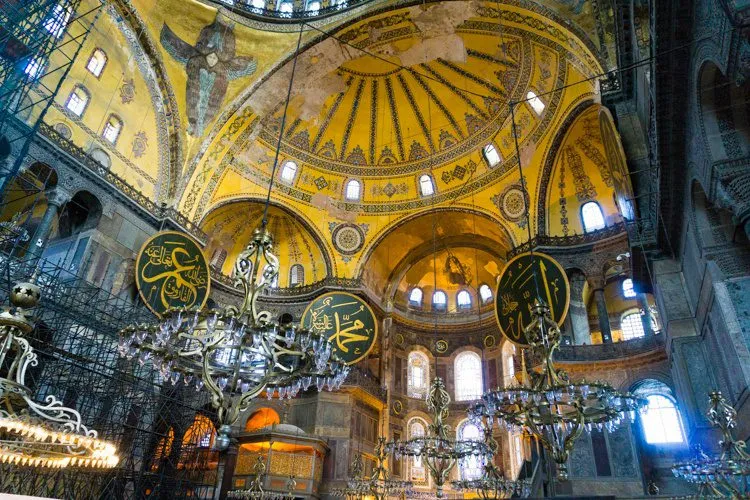
Dress Code, Photography & Etiquette Inside Hagia Sophia
What to wear, where you can shoot, and how to be respectful inside an active mosque with global visitors.
→
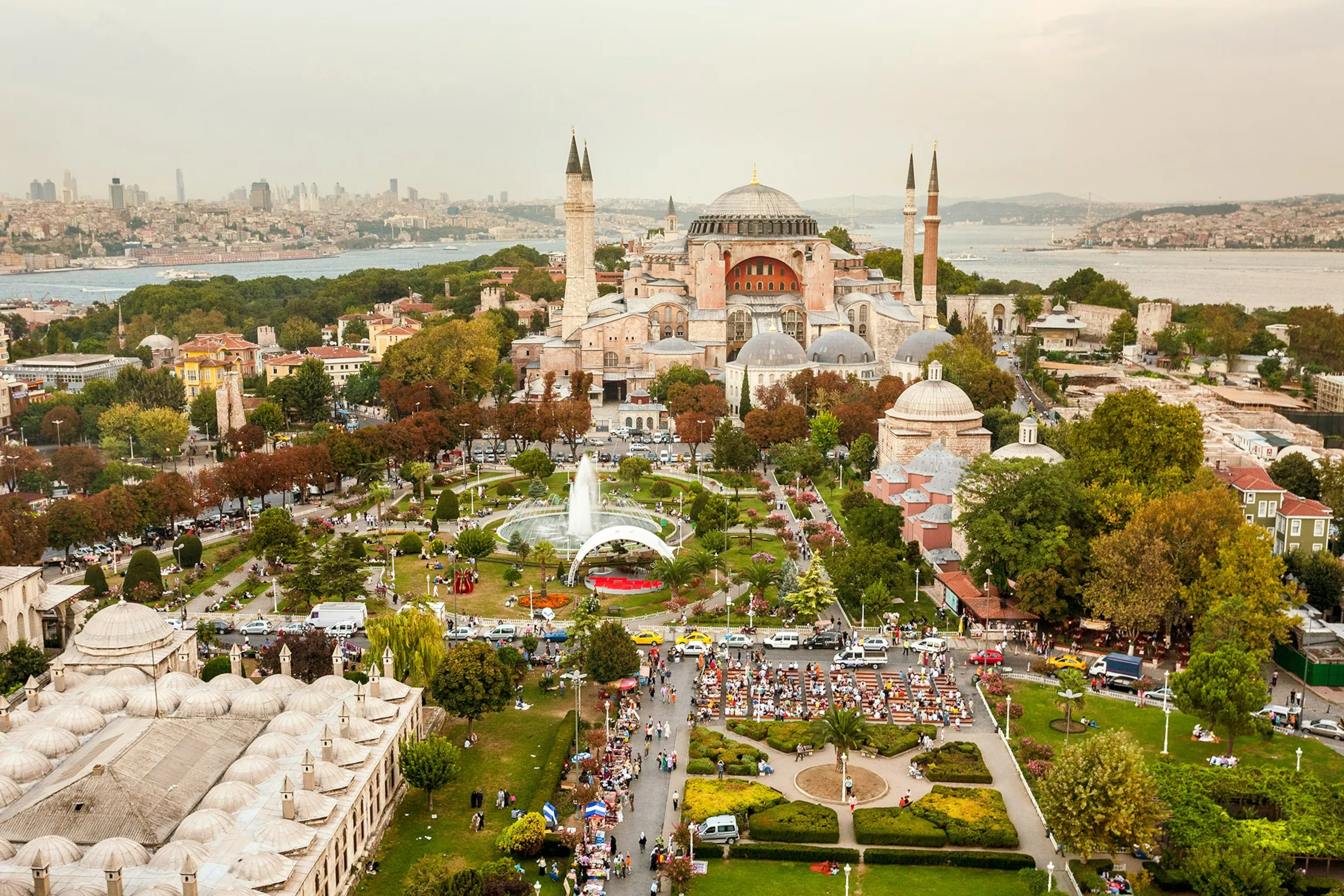
Friday at Hagia Sophia: How to Visit Respectfully and Smoothly
A pragmatic playbook for visiting around Friday prayers: timing, etiquette, and nearby alternatives during peak hours.
→
Family Visit Guide: Experiencing Hagia Sophia with Kids
Make it engaging and smooth: short story prompts, respectful behavior, quick rest spots, and nearby kid‑friendly stops.
→
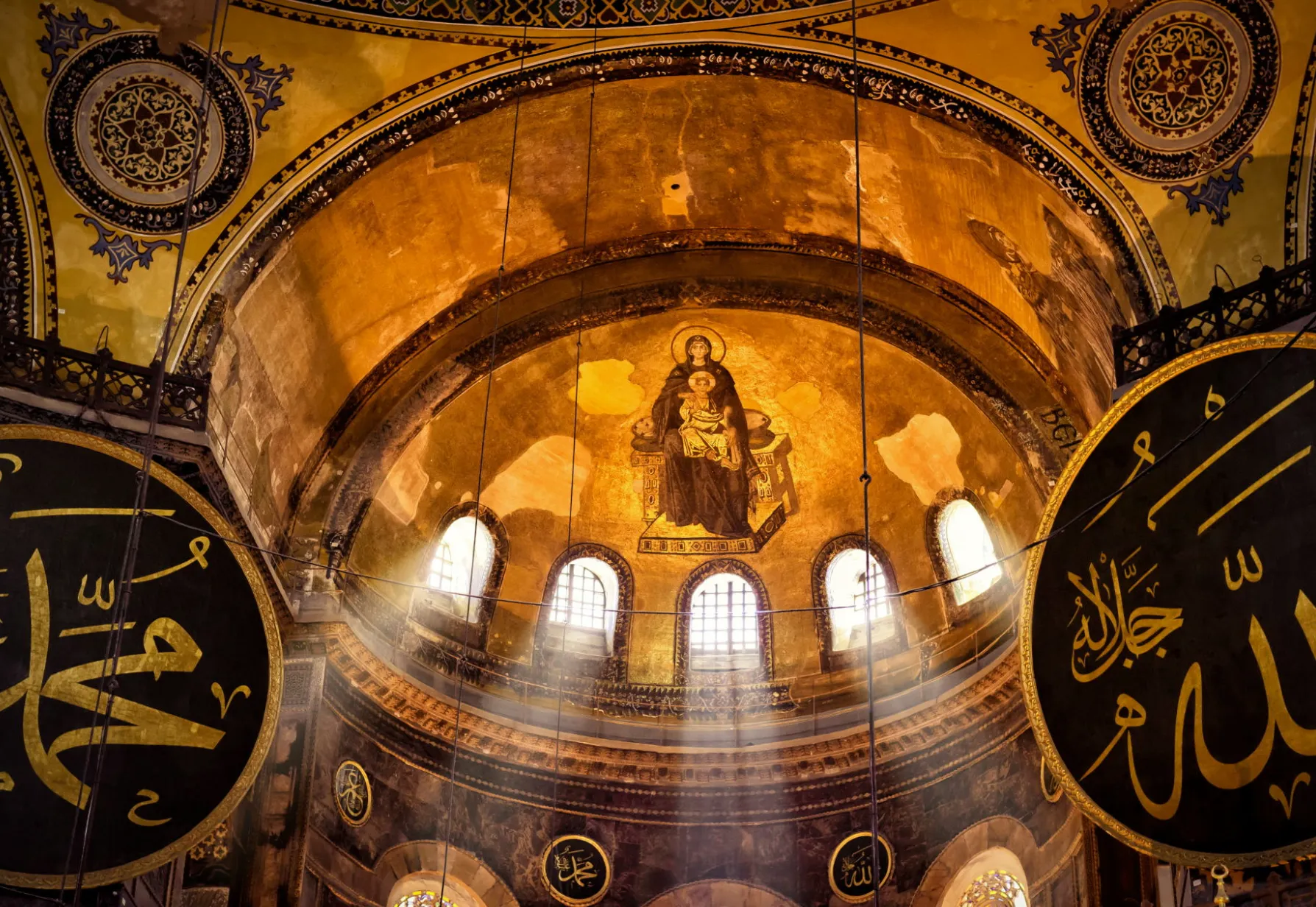
Accessibility at Hagia Sophia: Practical Tips for a Smoother Visit
Entrance surfaces, queues, and interior lanes: pragmatic observations for visitors with mobility or sensory considerations.
→
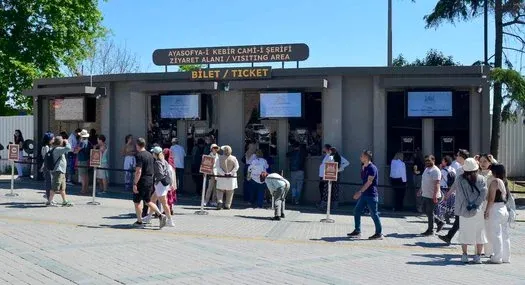
Security & Baggage Policy at Hagia Sophia: What to Expect
Security lanes, bag checks, and permitted items: streamline entry and avoid delays.
→
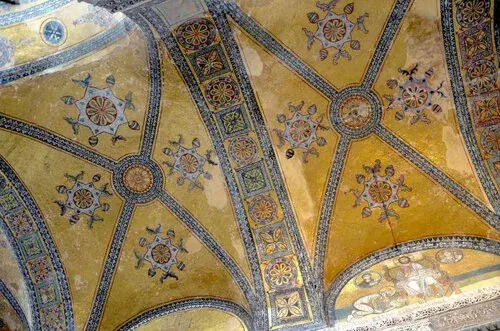
Quiet Corners in Hagia Sophia: Spaces for Reflection
Where to pause, breathe, and take in the scale without blocking flows.
→
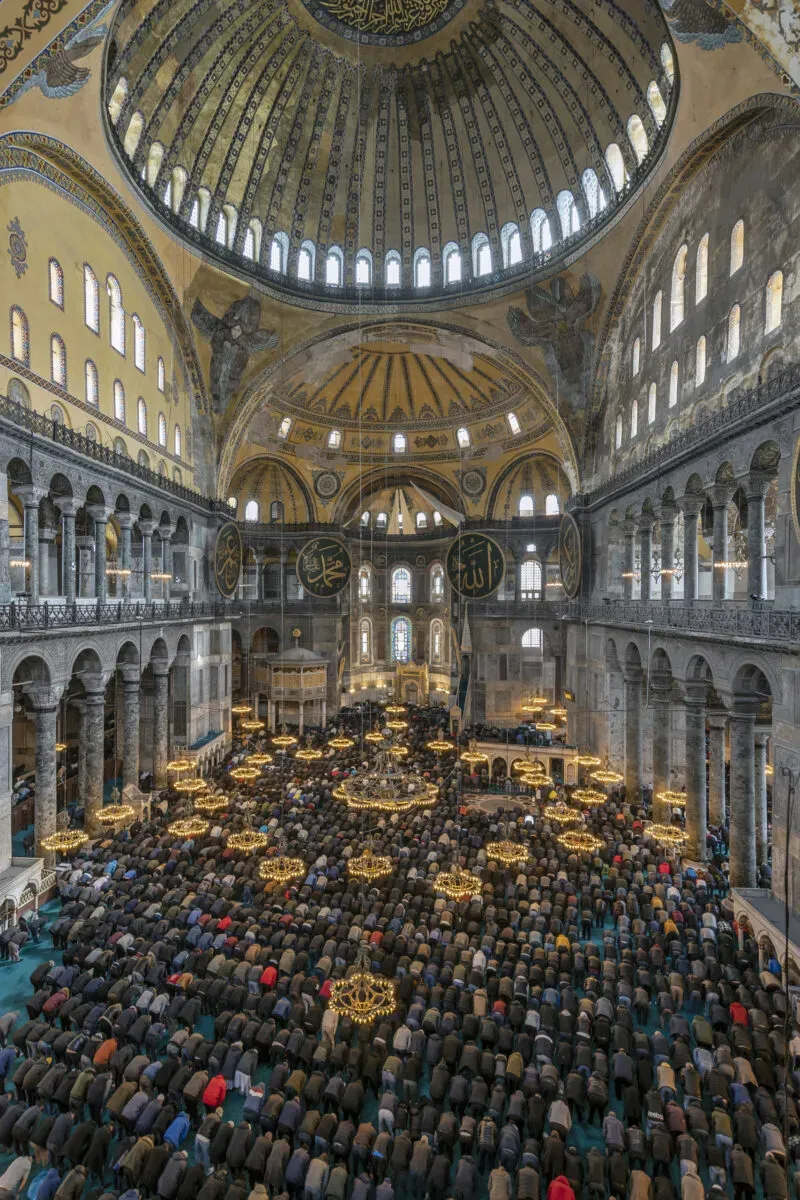
Worship and Visitor Balance at Hagia Sophia: How It Works
A clear explainer of how an active mosque welcomes visitors alongside daily worship.
→
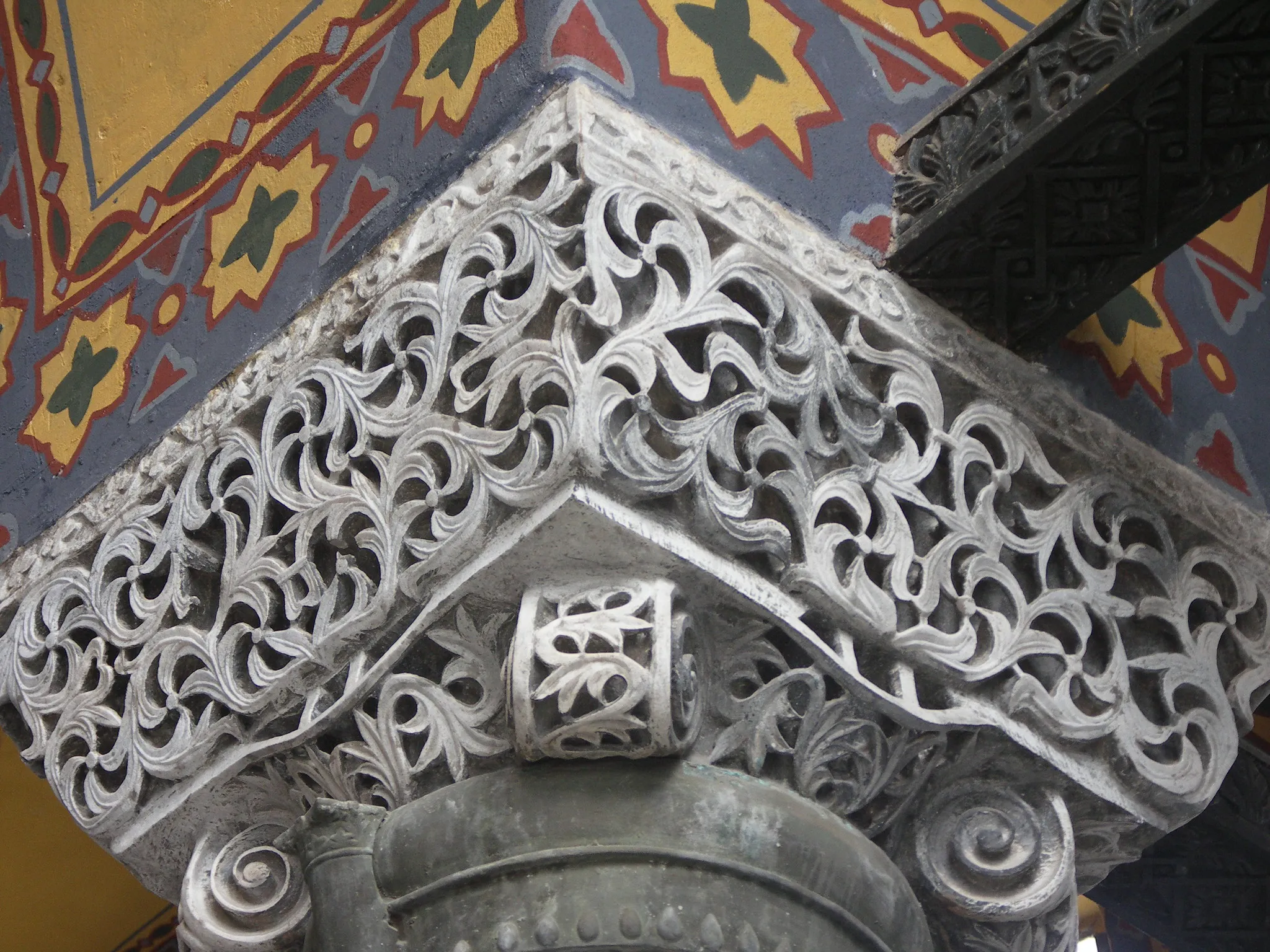
Solo Visitor Guide to Hagia Sophia: Calm, Safe, Reflective
Find a contemplative rhythm, stay safe, and choose corners that reward solo exploration.
→

Kids’ Activity Sheets for Hagia Sophia: Learn by Looking
Printable prompts: count windows, sketch medallions, trace arches — turning awe into playful learning.
→

Accessibility Companion: Hagia Sophia Surfaces, Queues, and Quiet Spots
Detailed observations for mobility, sensory, or fatigue considerations: surfaces, lane behavior, staff cues, and timing.
→
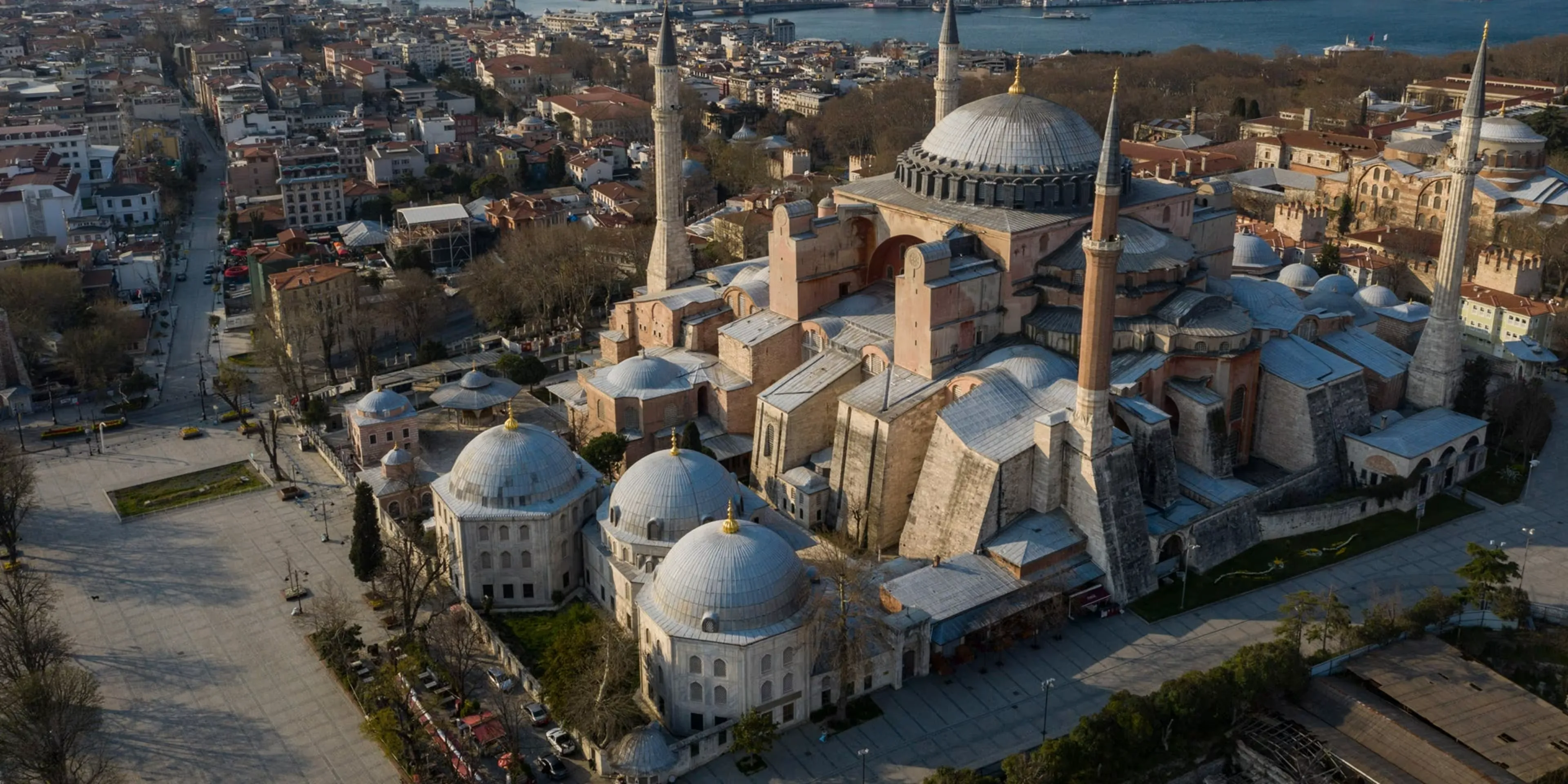
Hagia Sophia Visitor Essentials 2025: Entrances, Dress Code, Prayer Times, Best Hours & Nearby Sites
Plan a respectful, smooth visit to Hagia Sophia: entrances, dress code, prayer times, crowd‑beating tactics, and top nearby paid sites like Basilica Cistern and Topkapi.
→
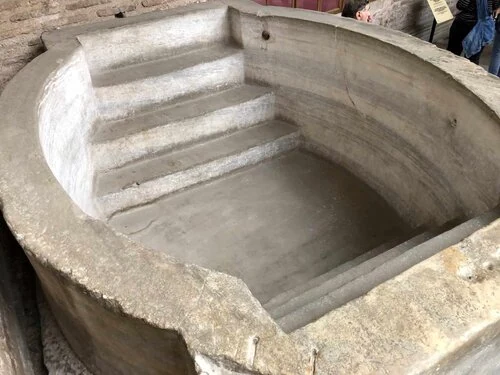
Baptism at Hagia Sophia: The Byzantine Rite in the Great Church
How baptism worked when Hagia Sophia was a church: the catechumenate, the baptistry’s architecture, the rite step‑by‑step, festive seasons, and what survives today.
→
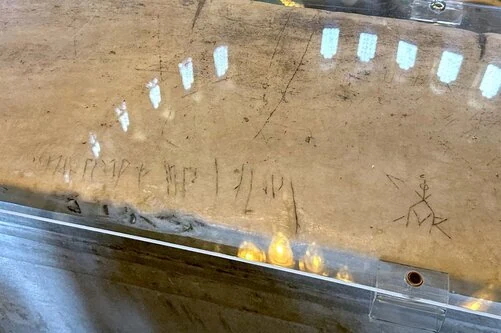
Viking Graffiti at Hagia Sophia: Varangian Guard Inscriptions and How to Find Them
A close look at the famous ‘Halvdan was here’ inscription, where to spot the Viking graffiti in the upper gallery, and tips to photograph it respectfully.
→
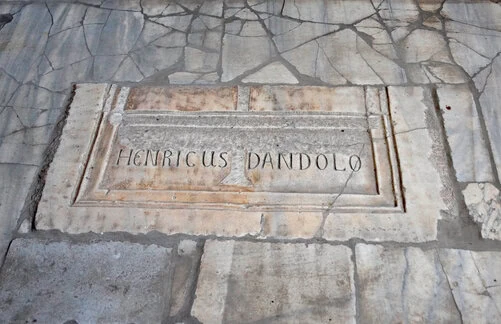
Enrico Dandolo at Hagia Sophia: The Doge, the Fourth Crusade, and a Disputed Grave
Who Enrico Dandolo was, how the Fourth Crusade reshaped Constantinople, and where to find the gravestone believed to mark his burial site in Hagia Sophia.
→
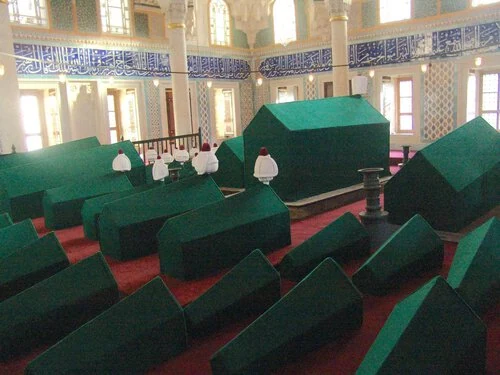
Tombs of the Sultans at Hagia Sophia: Selim II, Murad III, Mehmed III, Princes, Mustafa I and Ibrahim
Where to find the tombs at Hagia Sophia, who rests inside each, highlights to look for, etiquette before you enter, and photo tips.
→
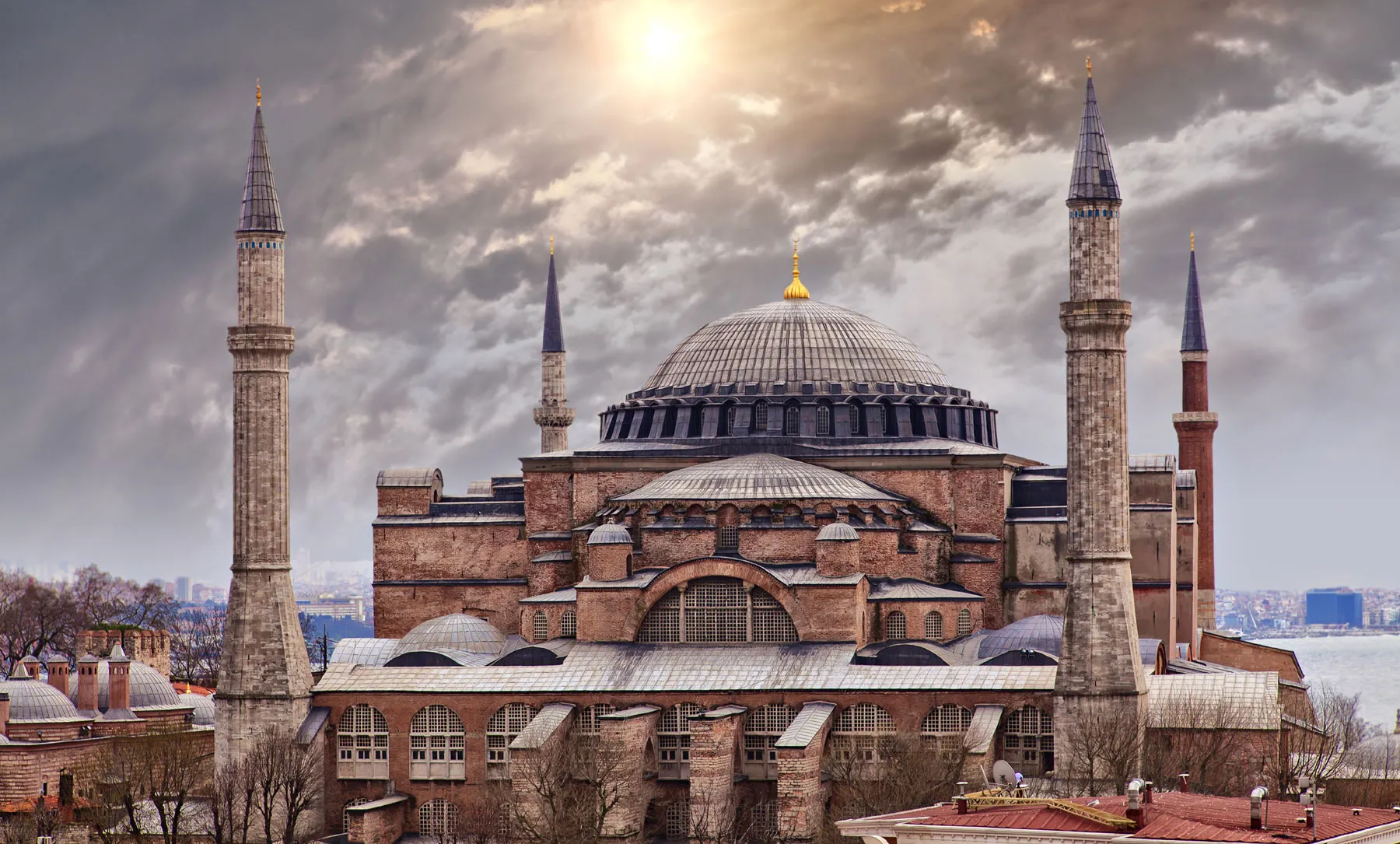
Best Moments at Hagia Sophia: How to Avoid Prayer Windows and Find Calm
Understand the daily and weekly rhythm to time your visit away from prayer windows, with practical tables and light planners.
→

Hagia Sophia History: Byzantine Masterpiece, Ottoman Mosque, and the Modern Era
A guided arc through Hagia Sophia’s 1,500‑year story: Justinian’s audacious dome, mosaics, the 1453 conversion, museum years, and reconversion in 2020.
→
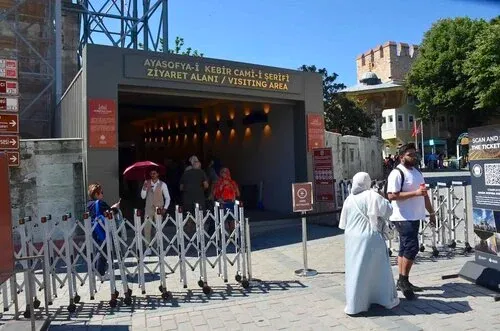
Best Times to Visit Hagia Sophia: Crowd Strategy for 2025
Exact windows to reduce queues and maximize interior calm, including Friday considerations and seasonal patterns.
→

Architecture Guide: Dome, Pendentives, Light and Structure in Hagia Sophia
Understand how the dome floats, why the light feels haloed, and how engineering choices kept Hagia Sophia standing.
→
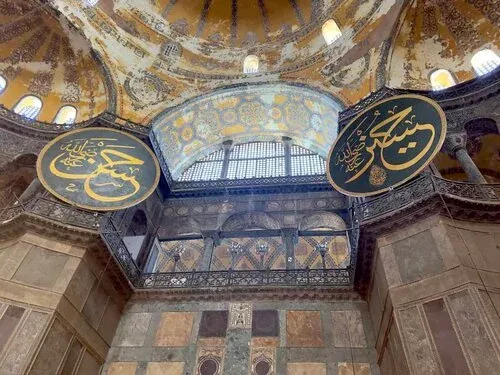
Mosaics and Calligraphy: Hagia Sophia’s Visual Language Across Eras
From gold tesserae to giant medallions: how iconography and calligraphy converse inside Hagia Sophia.
→

Nearby Highlights: A Walking Loop Around Hagia Sophia
A compact walking circuit to pair with Hagia Sophia: Cistern, square views, Arasta Bazaar, and hidden courtyards.
→
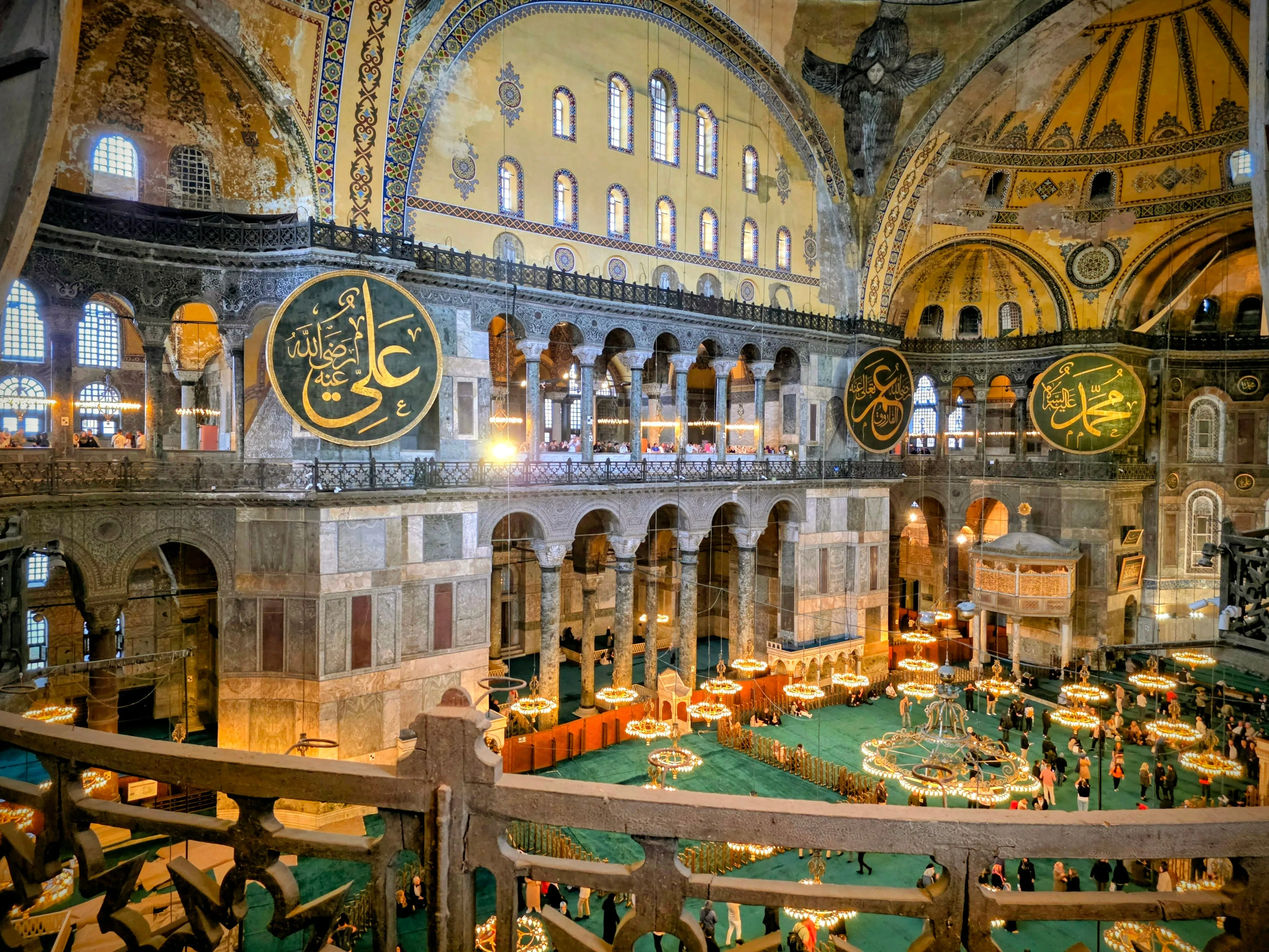
Photo Guide: Angles and Light Inside Hagia Sophia
Non‑intrusive ways to capture scale, texture, and light while respecting prayer and fellow visitors.
→
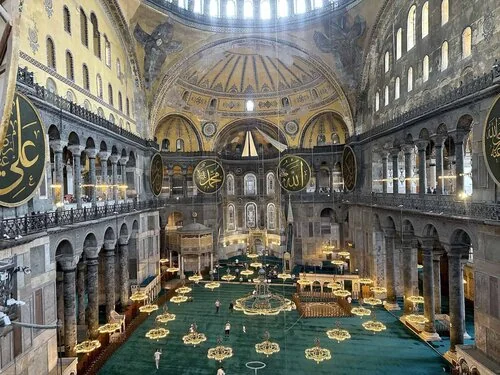
Guided vs Self‑Guided at Hagia Sophia: Which Suits You?
Pros and cons of guided circuits around Hagia Sophia vs independent exploration with audio guides or apps.
→

Audio Guide Tips at Hagia Sophia: Focus Points and Quiet Corners
How to use audio guides effectively: dome story, mosaic fragments, calligraphy medallions, and quiet corners for listening.
→
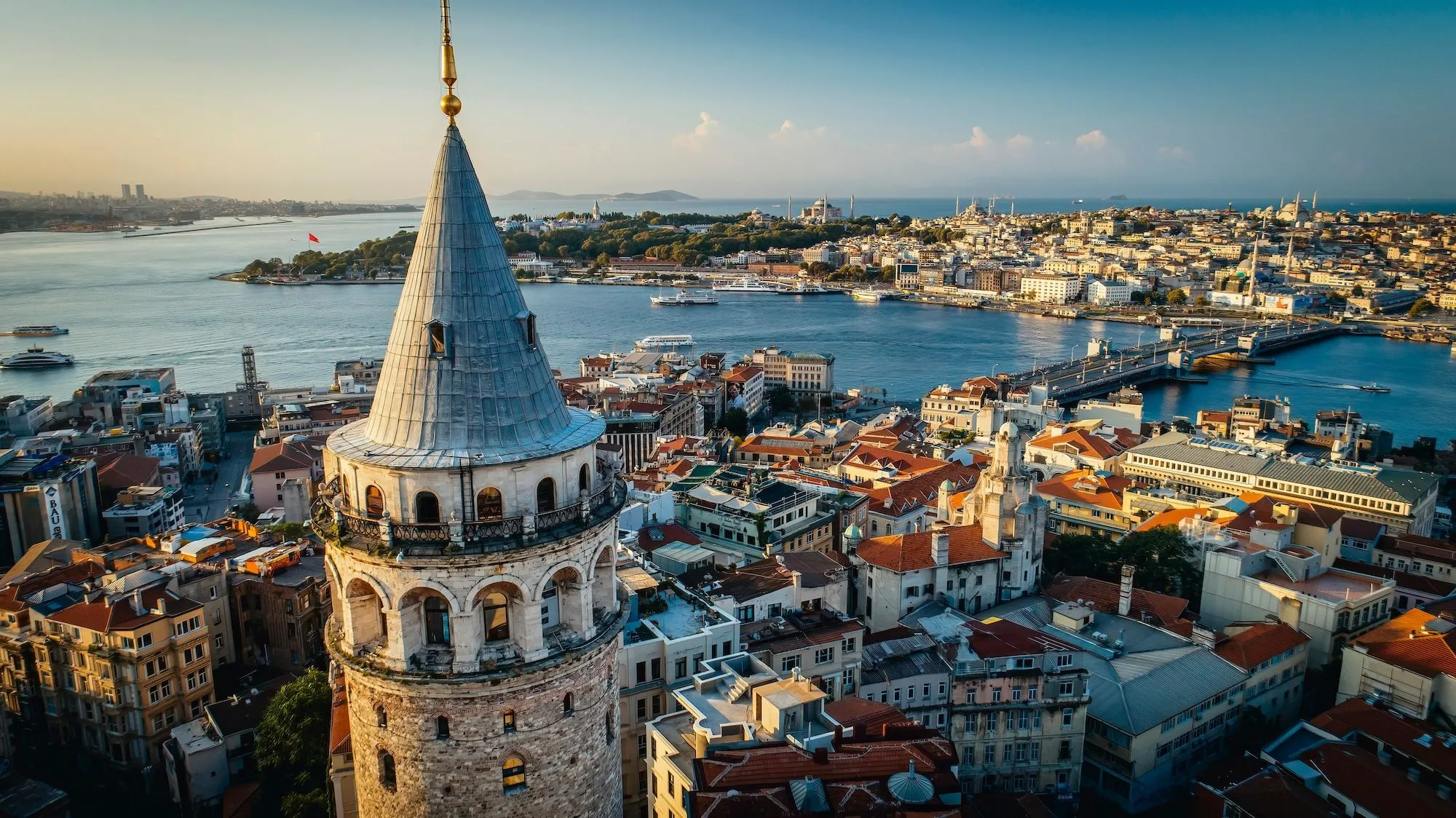
An Istanbul Day Around Hagia Sophia: Smart Combos & Flow
Organize a balanced day: Hagia Sophia, Cistern, Topkapi, and square strolls with meal and rest cadence.
→

Food & Breaks Around Hagia Sophia: Local Bites and Tea Stops
Quick, light meals to keep energy steady; tea and dessert near the square.
→
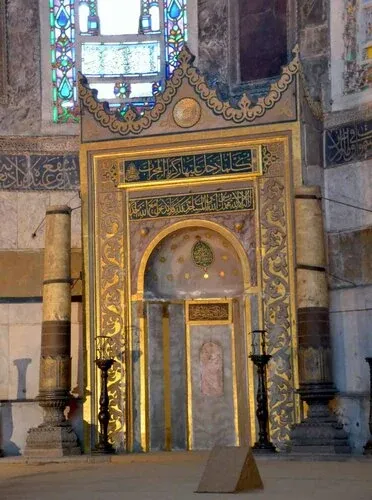
Minarets, Mihrab, and Minbar: Ottoman Elements Inside and Around Hagia Sophia
A clear explainer of the mosque elements added after 1453 and how they integrate with the Byzantine structure.
→

Conservation at Hagia Sophia: How to Read Surfaces and Scaffolds
Understand ongoing conservation, why some areas are covered, and how to spot stabilization work without disruption.
→
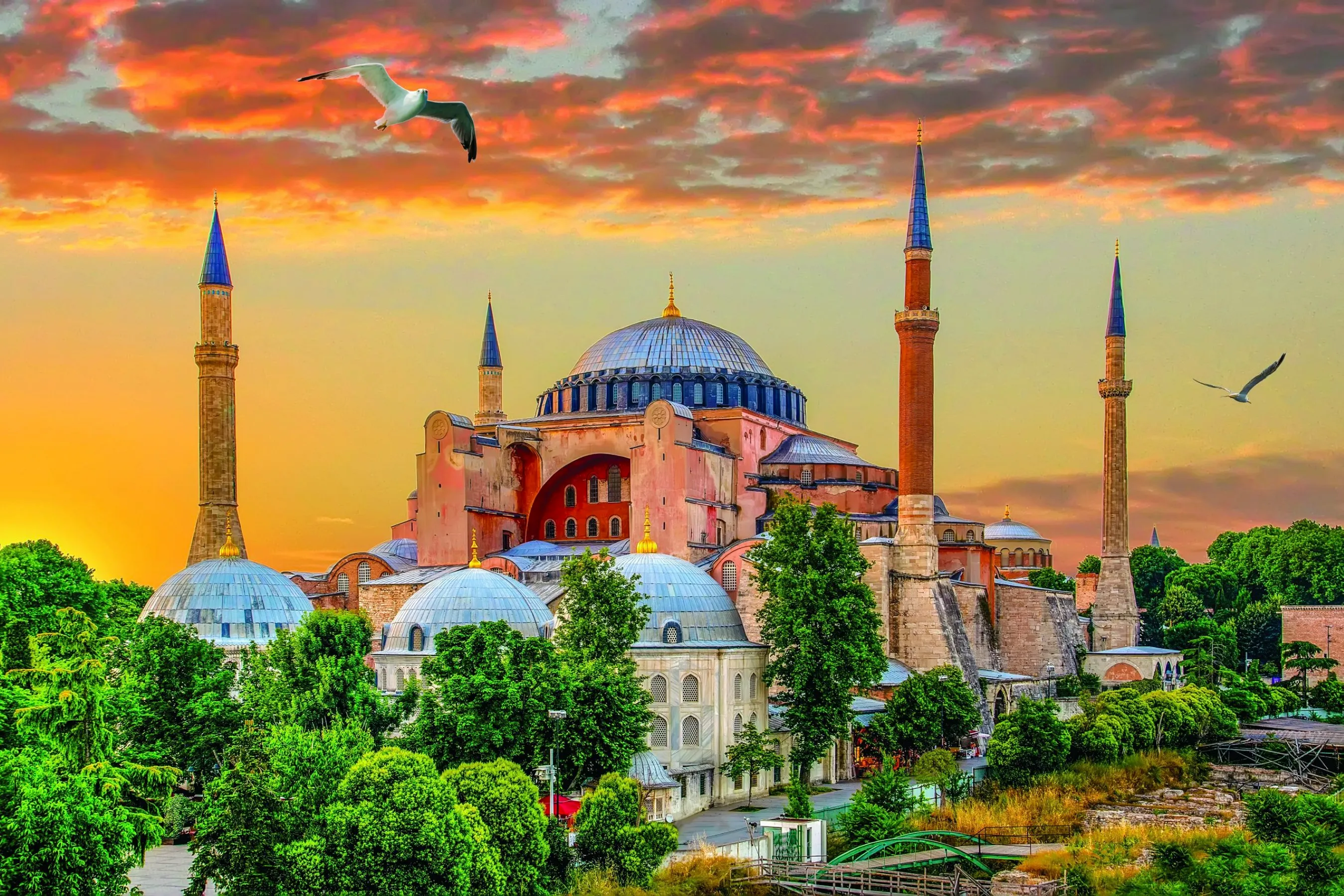
Sunset Views Around Hagia Sophia: Exterior Angles and Square Atmosphere
Warm light, ambient crowd rhythm, and the best benches for a contemplative close to your day.
→
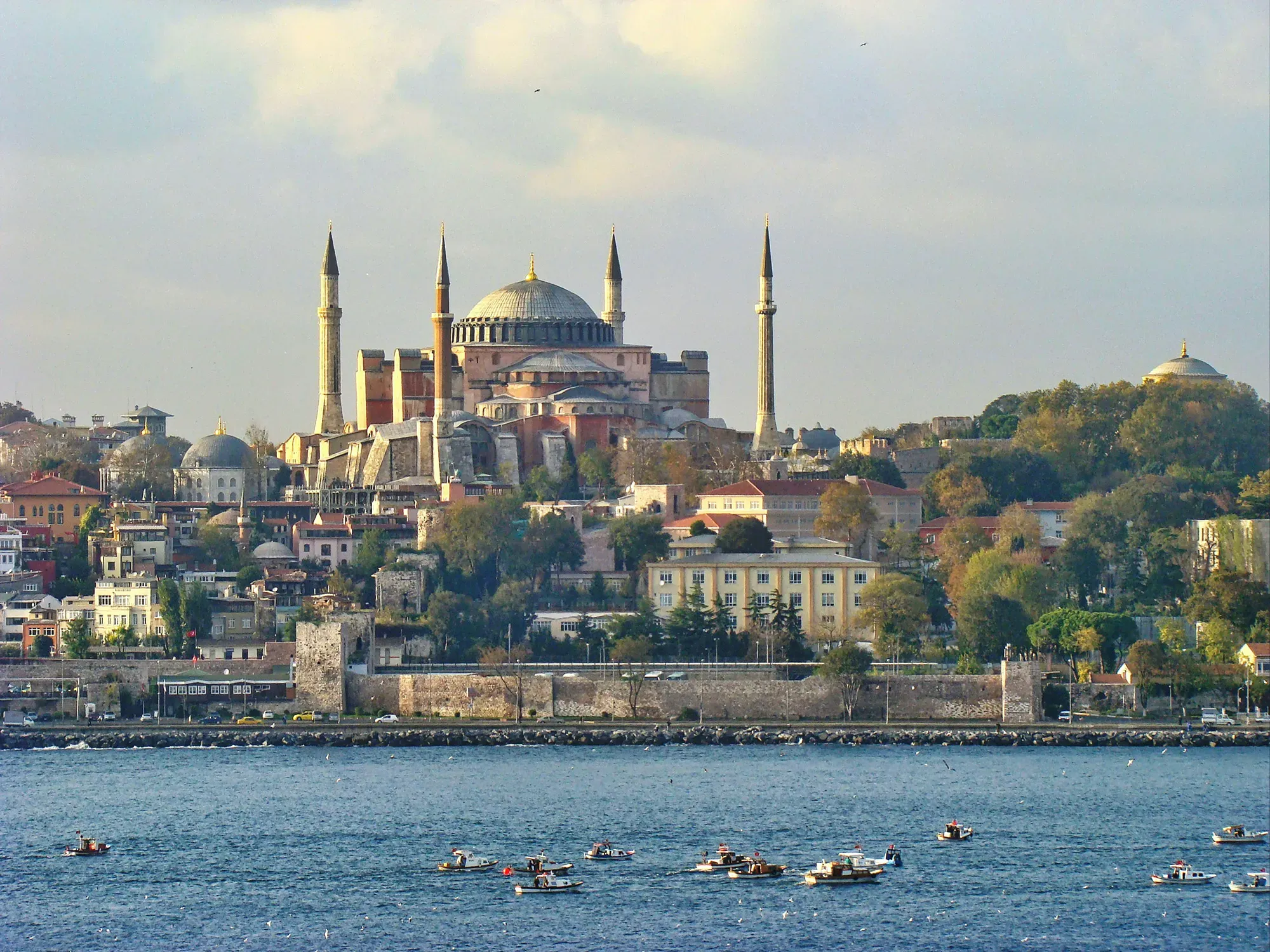
First‑Time Istanbul Itinerary Featuring Hagia Sophia
A two‑day starter plan anchoring Hagia Sophia with classic highlights and manageable pacing.
→
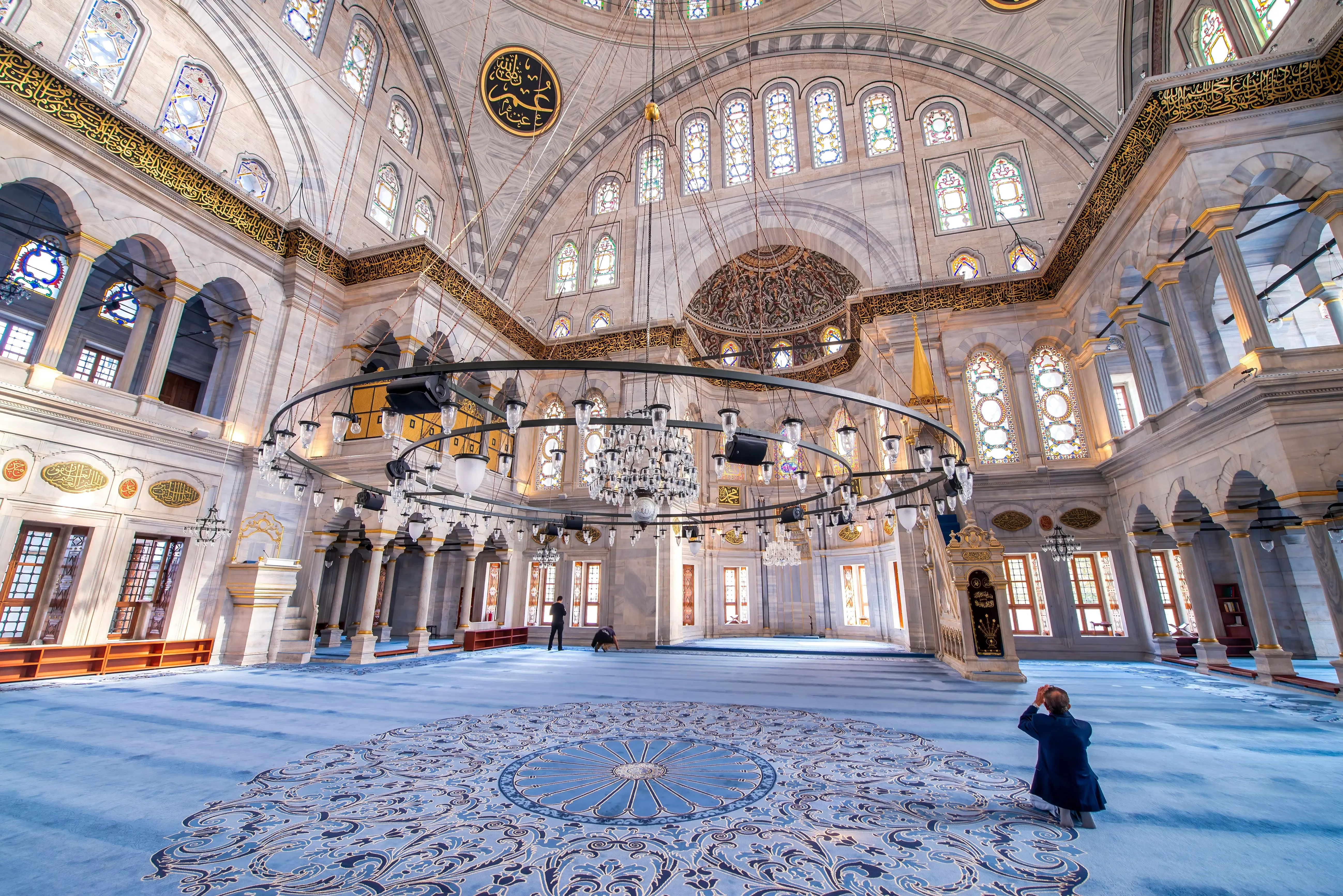
Hagia Sophia Photo Walk: Exterior Angles then Interior Light
A 90‑minute photo‑centric circuit balancing exterior compositions with interior ambient light shots.
→
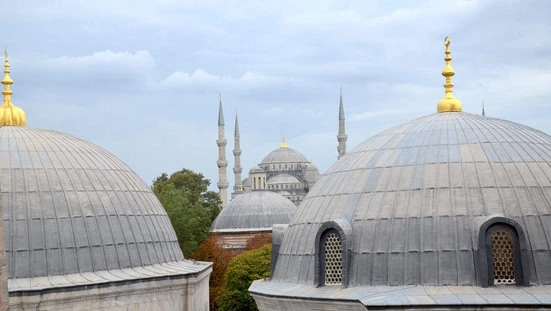
Hagia Sophia FAQ: Entrances, Dress, Prayer, Photography & More
Concise answers to the most common questions visitors ask before stepping inside.
→
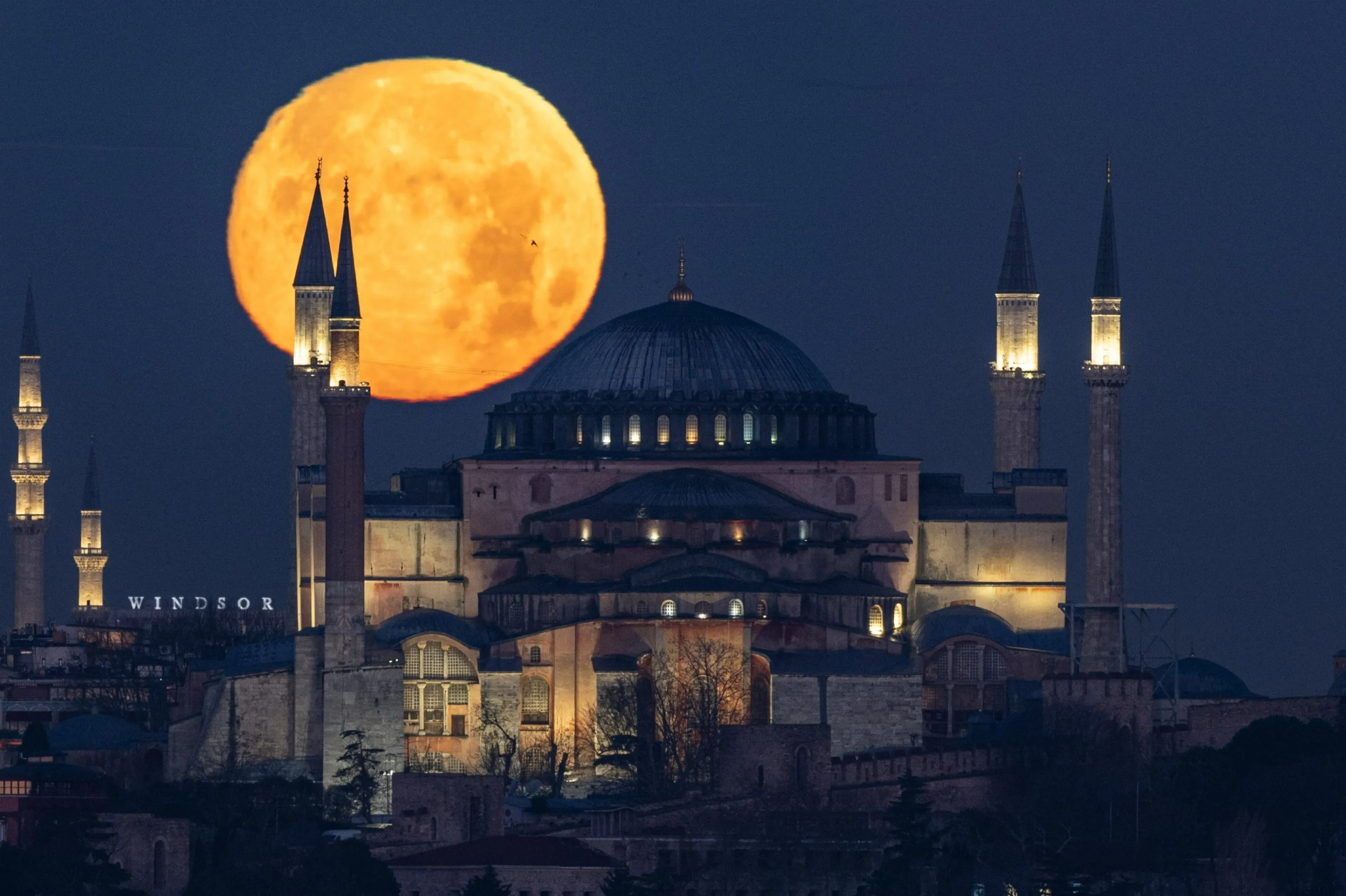
Couples’ Slow Itinerary: Hagia Sophia, Tea, and Evening Strolls
A calmer tempo with visual pauses, tea rituals, and golden‑hour exterior views.
→
Budget Day Featuring Hagia Sophia: Free & Low‑Cost Highlights
How to experience Hagia Sophia and the area with minimal spend: free views, low‑cost entries, and walkable loops.
→
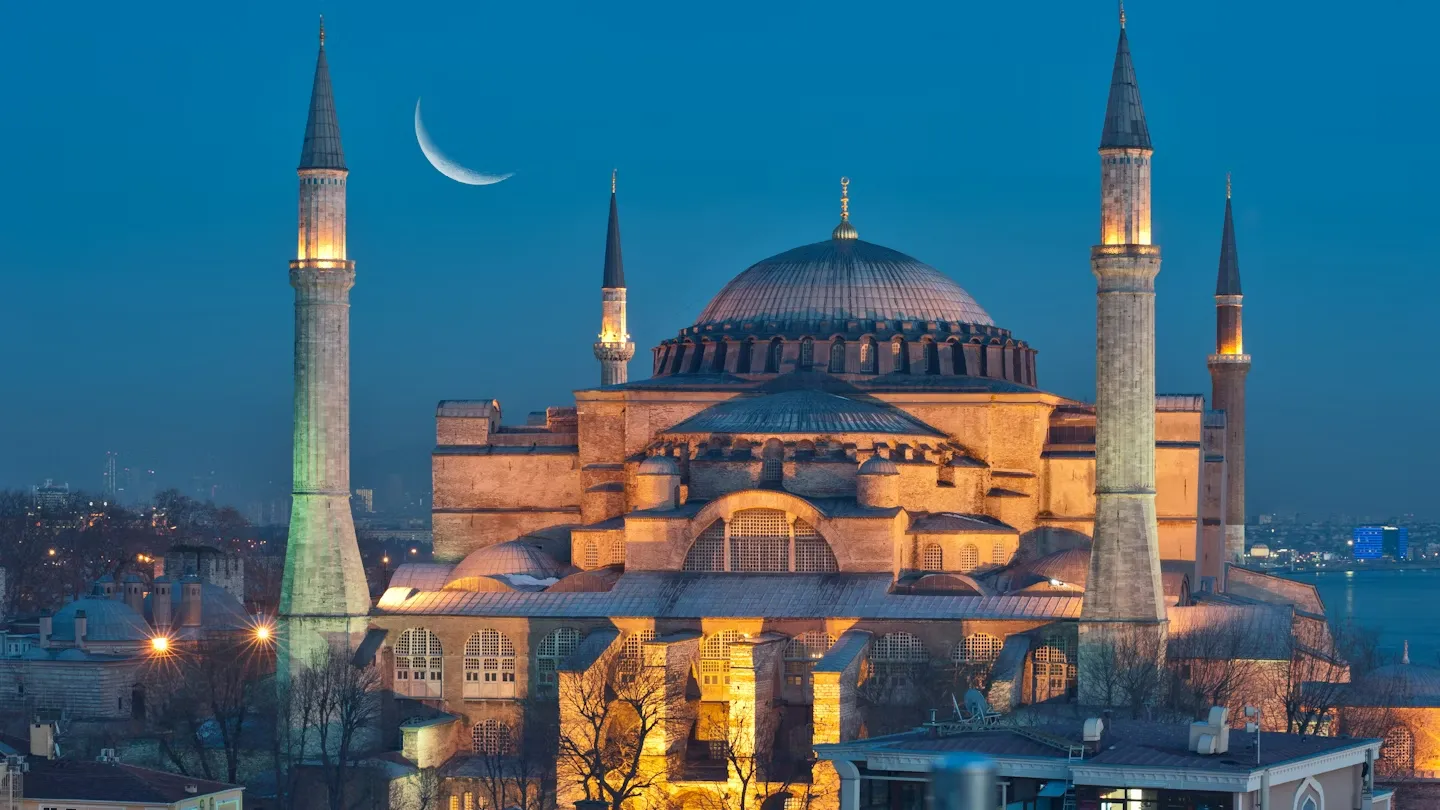
Night Ambience Around Hagia Sophia: Exterior Perspectives and Safety
Softly lit exteriors, square ambience, and basic safety notes for evening photography walks.
→
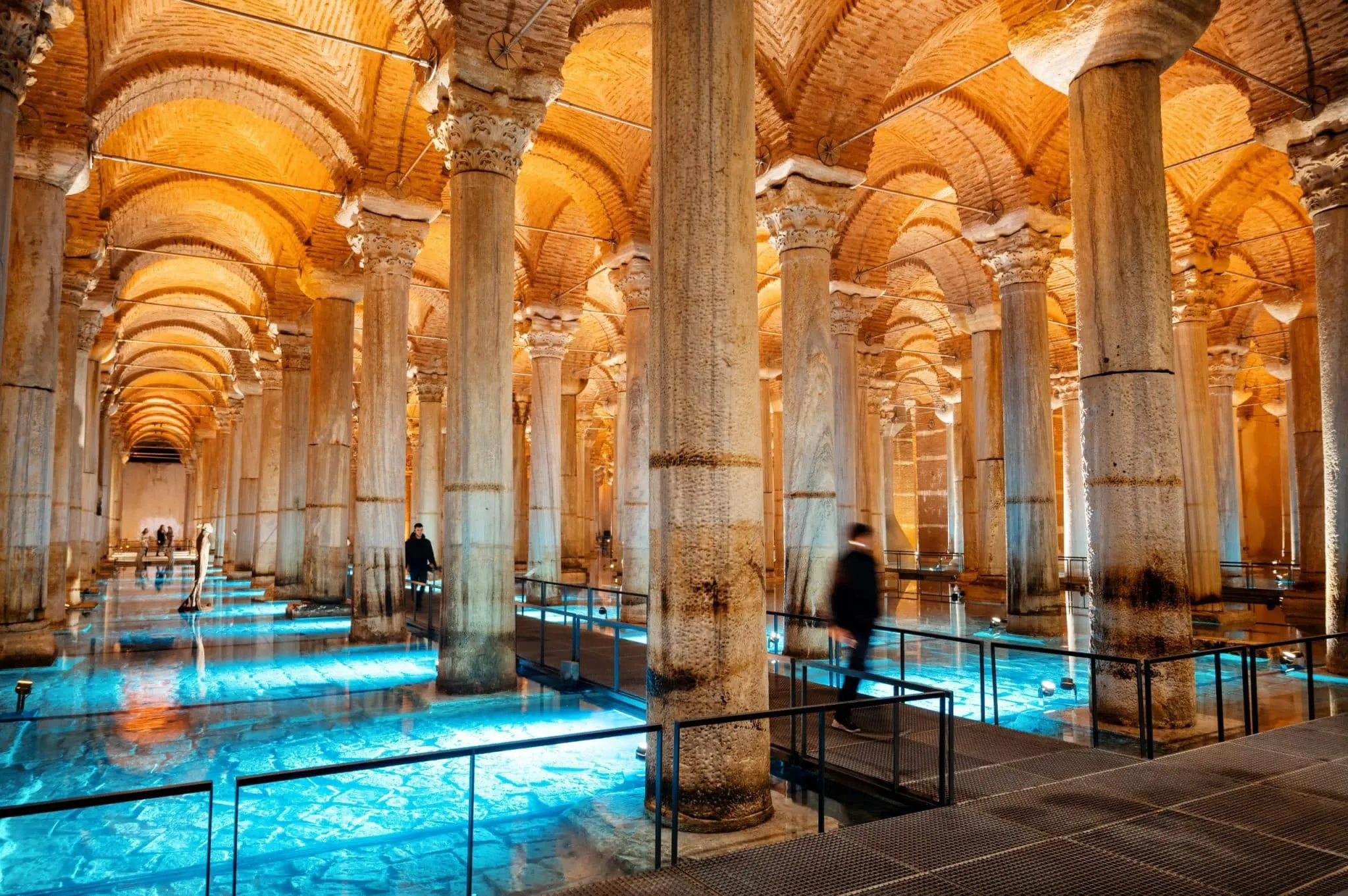
Hagia Sophia + Basilica Cistern: The Perfect 2‑Stop Combo
A practical combo plan: respectful Hagia Sophia visit followed by the atmospheric Basilica Cistern, with timings, tickets, and photo tips.
→
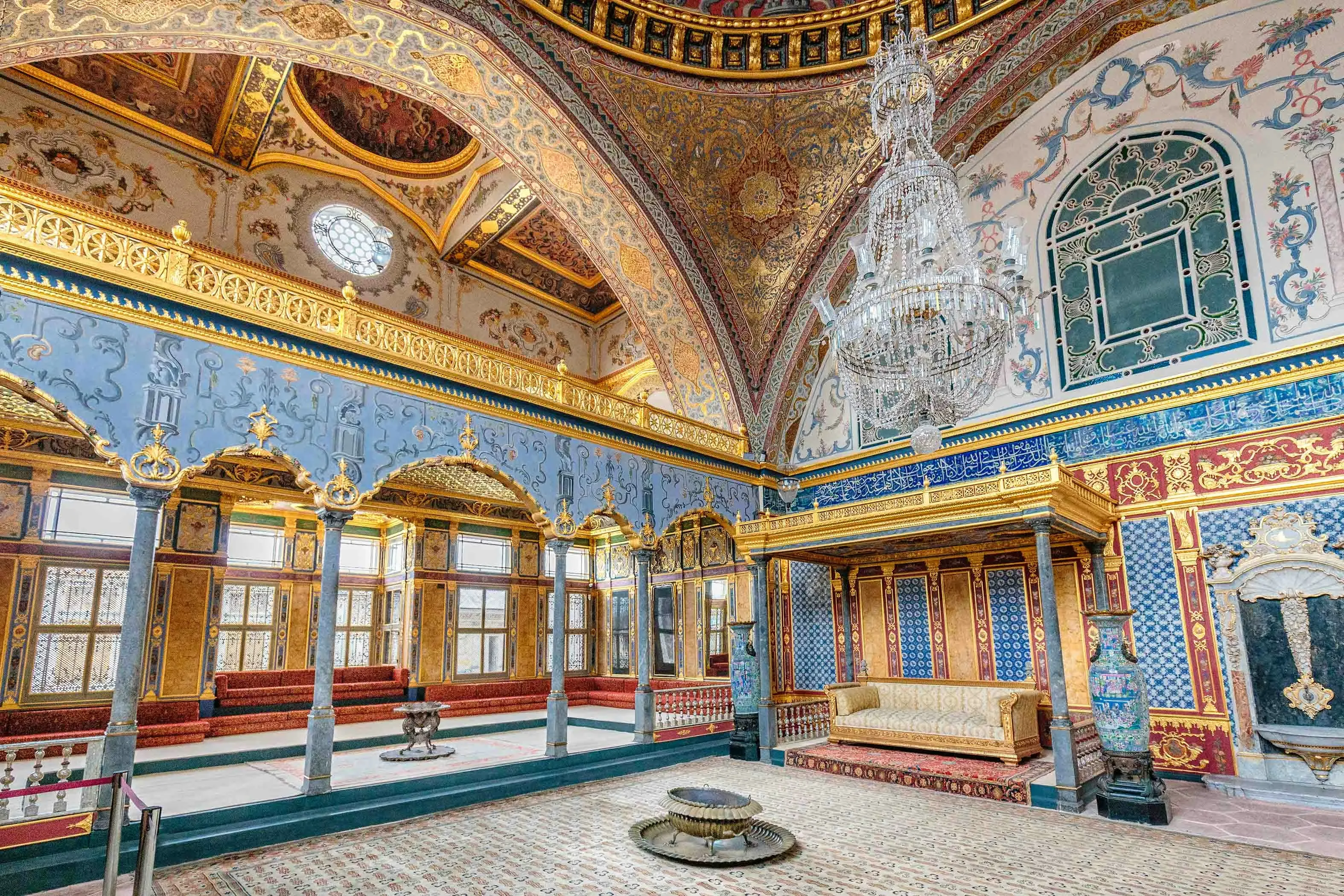
Pairing Hagia Sophia with Topkapi Palace: A Heritage Day
Sequence Hagia Sophia and Topkapi Palace with energy management, harem timing, and garden breaks.
→
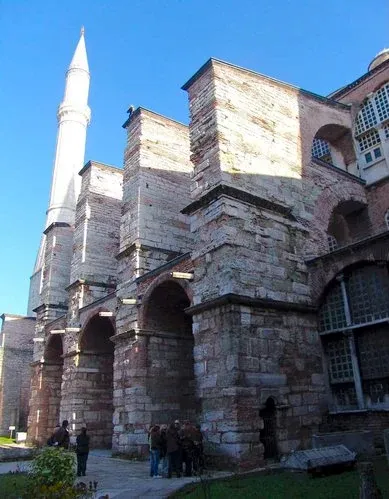
Earthquake Resilience: How Hagia Sophia’s Structure Handles Lateral Forces
A layperson’s guide to the dome, piers, buttresses, and repairs that helped the monument endure quakes.
→
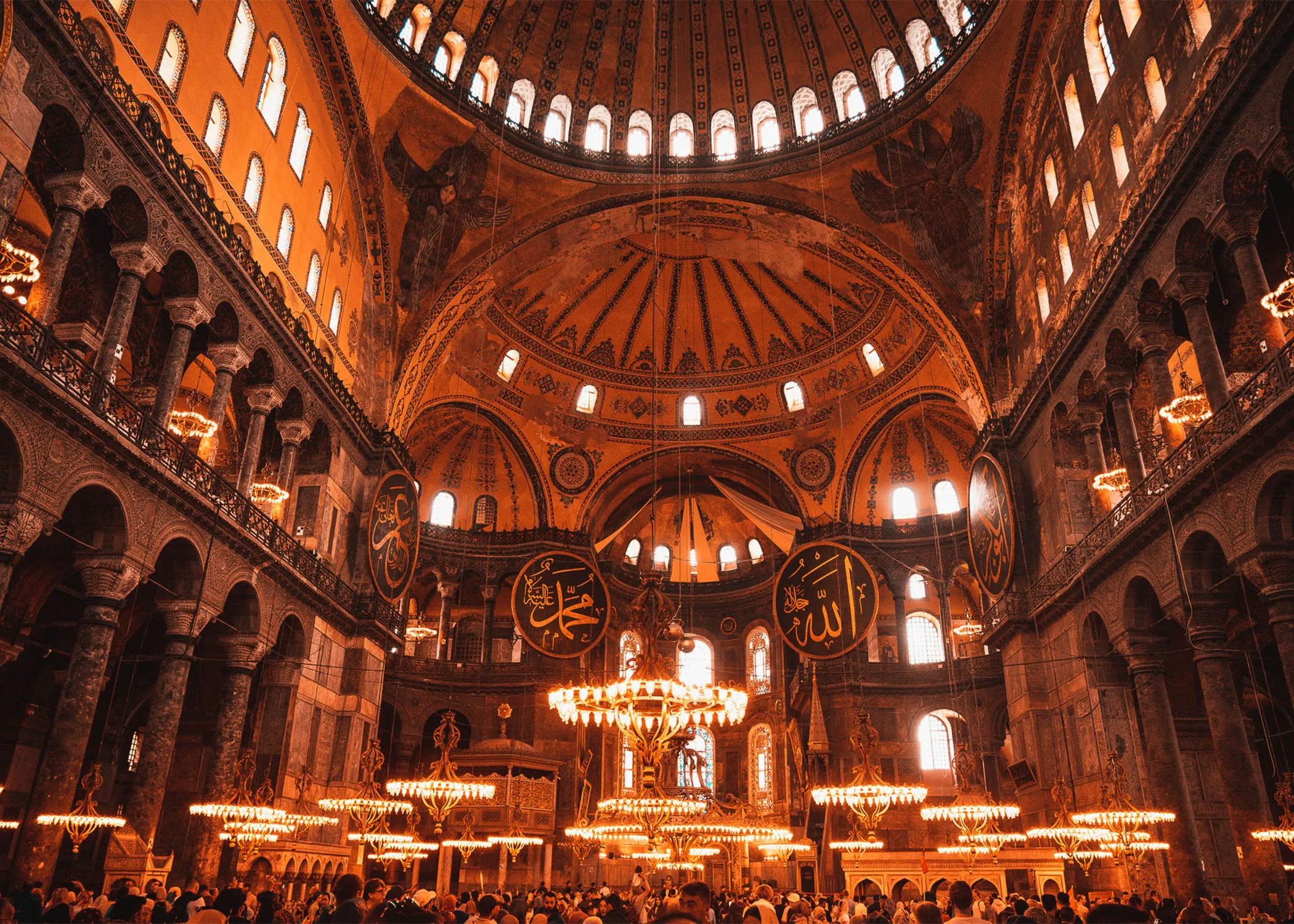
Advanced Photography Inside Hagia Sophia: Low‑Light without Disruption
Handheld techniques, exposure discipline, and composition strategies to capture ambience while staying respectful.
→

Tea Culture Around Hagia Sophia: Where to Pause and Reset
Short tea rituals to pace your day: simit pairing, meze minis, and ambient corners near the square.
→
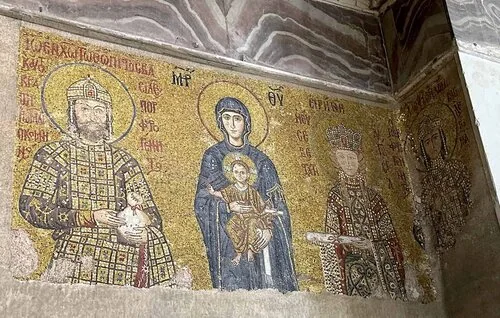
Imperial Mosaics of Hagia Sophia: Emperors in Gold Tesserae
A readable tour of Hagia Sophia’s imperial mosaics — who the emperors are, why they matter, and where to find each panel today.
→
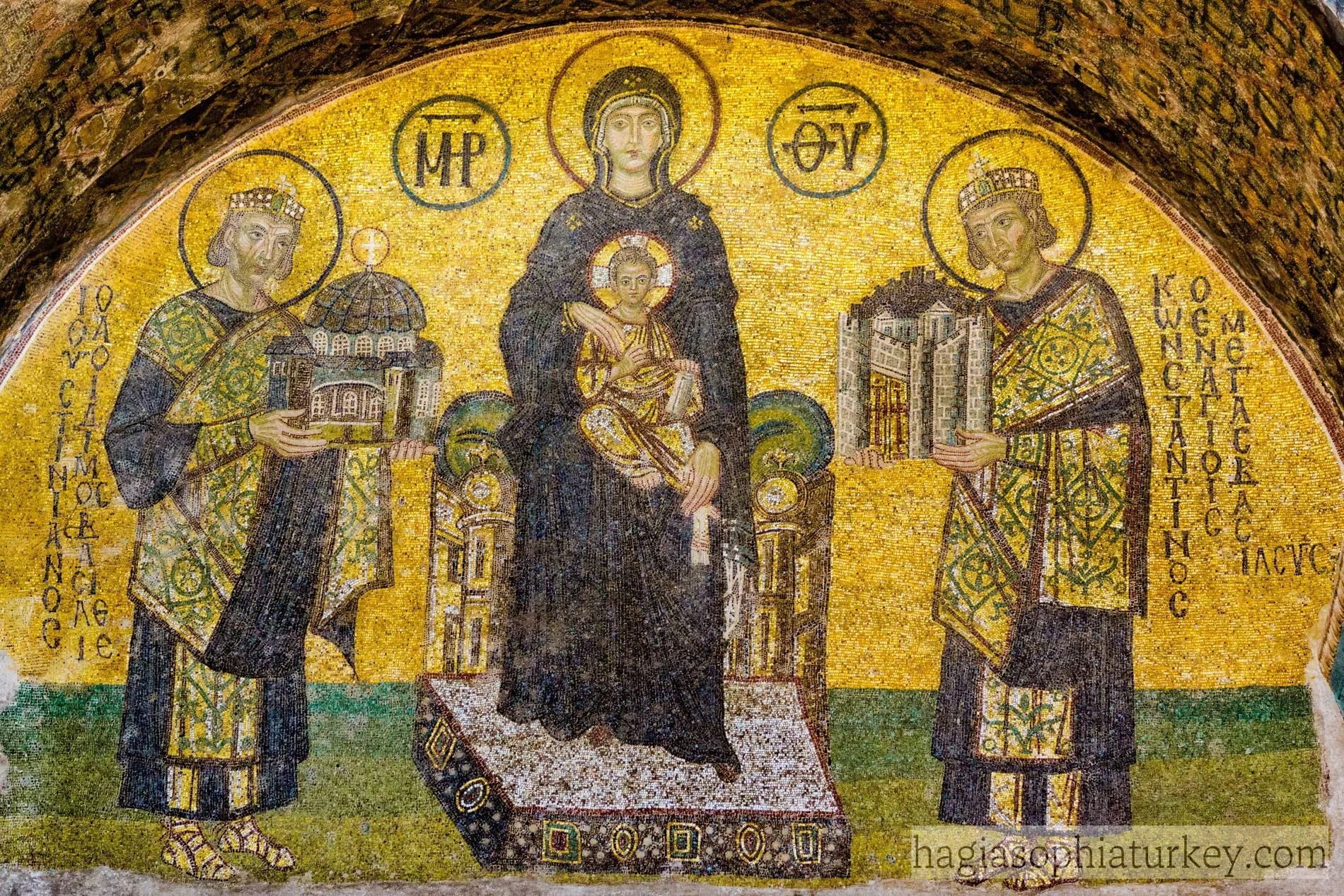
Emperor Justinian I in Mosaic: Founder’s Gift to the Virgin
Why Justinian appears offering Hagia Sophia, what the image meant to Byzantines, and how to recognize its details today.
→
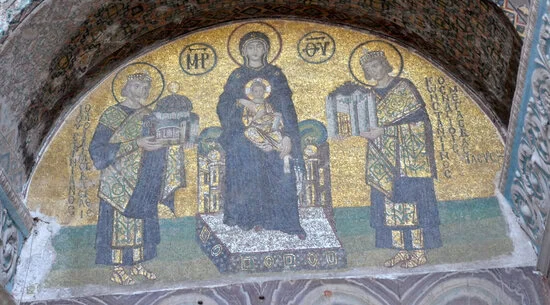
Emperor Constantine the Great in Mosaic: Gifting the City
Constantine’s presentation of Constantinople beside the Virgin and Child — a political map in a single image.
→
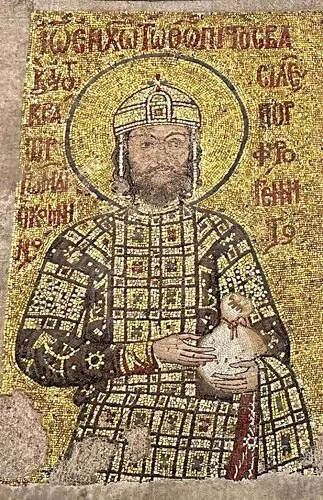
Emperor John II Komnenos: Devotion and Dynasty in Gold
The Komnenos mosaic with John II, Empress Irene, and Alexios — how to read its symbols and find it in the upper gallery.
→
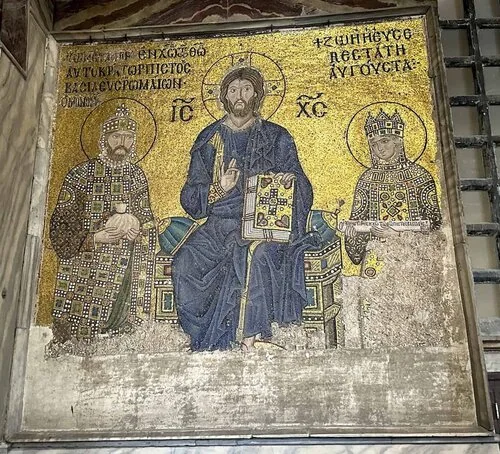
Emperor Constantine IX Monomachos: The Reworked Faces of Power
The Empress Zoe mosaic with Constantine IX — why the heads were reworked, what the purse and scroll mean, and how to view it today.
→
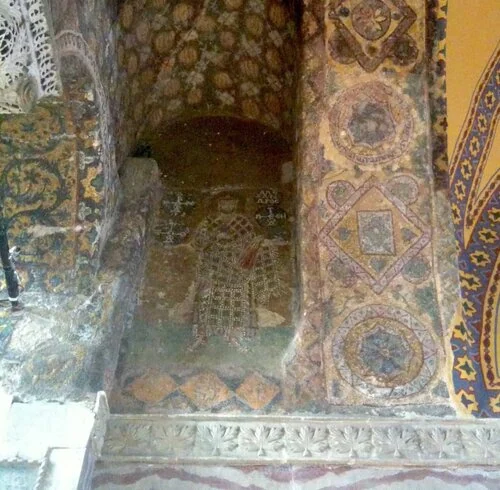
Emperor Alexander: A Brief Reign, a Brilliant Mosaic
The upper gallery portrait of Emperor Alexander — placement, preservation, and a short biography.
→

Imperial Gate Mosaic: Leo VI or Constantine VII?
Why scholars debate the identity of the kneeling emperor at the Imperial Gate and what to look for in the composition.
→
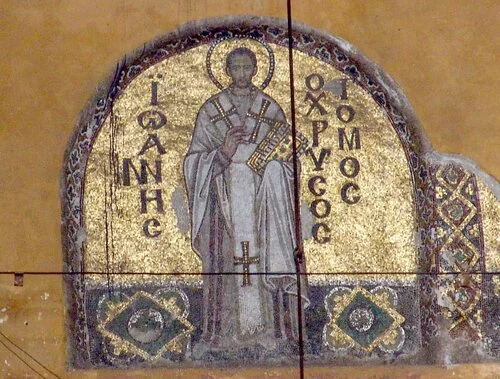
St. John Chrysostom: Voice of the Church in Tesserae
Find the northern tympanum mosaic of St. John Chrysostom, learn his role in the Eastern Church, and note what's visible today.
→
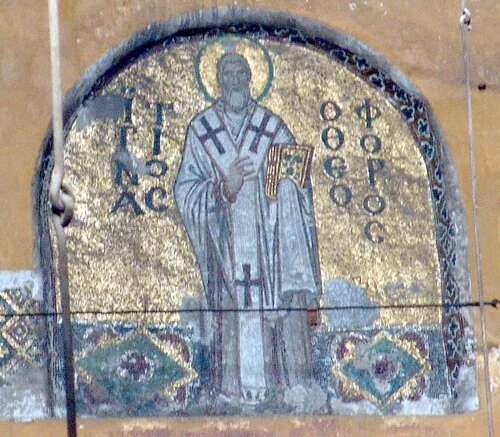
St. Ignatius Theophoros: Martyrdom and Presence in Mosaic
The northern tympanum portrait of St. Ignatius Theophoros and a compact biography to frame your viewing.
→
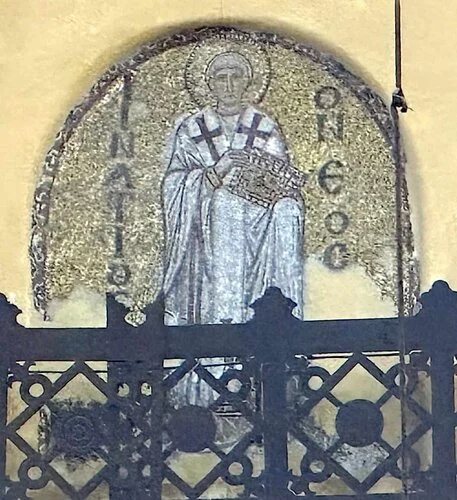
St. Ignatius the Younger: A Northern Tympanum Survivor
A brief note on the mosaic of St. Ignatius the Younger and how to spot it from the gallery.
→
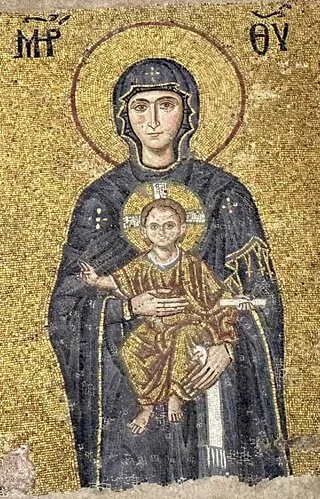
Theotokos in the Apse: First Post‑Iconoclasm Mosaic
The Virgin and Child in the apse — the first great mosaic after Iconoclasm and what it represents.
→